Buying a Used Excavator: The Full Guide
How to buy a used excavator in ten steps, from size and hours to paperwork and delivery in NZ, Australia or the Pacific, with a full guide for each step.
A used excavator is a tracked digger that has already had an owner, so you're buying its history as well as its steel. Buying one well comes down to ten steps, and the order matters because the cheapest mistake to fix is the first one. Choose the wrong size and no inspection will save you.
This guide is for owner-operators, farmers, small builders and landscapers in New Zealand and Australia, and out across the Pacific. Most steps give one fact and point to the full guide.
1. What does the job need?
Start with the job and the gate, not the machine. Coast 2 Coast's field figures say a digger under 2 tonnes fits through gaps as narrow as 950mm, and machines from 3 to 8 tonnes usually need 1.5 to 2.5 metres of clear access. Measure your access first, then match a size class to the work in what size excavator do I need.
For paddocks and farm ground, tracked is usually the better buy. If you're not sure a digger is the right tool, compare it with a backhoe loader or a skid steer. Then look at the 4 to 10 tonne machines we sell.
2. Should you buy new or used, and what's the budget?
Used isn't always cheaper. In the smallest New Zealand class, the cheapest new and used machines in our new vs used comparison cost exactly the same on the day compared.
Live listings from September 2026 put used asking prices from about $12,000 for a small mini digger to well over $300,000 for a 30 tonne machine, plus GST. Used excavator prices breaks that down by size. Budget for running costs as well. A 13 tonne machine burns about 6 to 10 litres of diesel an hour, and fuel consumption and running costs covers the rest.
3. What do the spec sheets tell you?
They tell you the maximum, not the working figure. Dig depth on a spec sheet is the most the bucket can reach below ground. It isn't the depth you can dig with straight sides or safely stand in, and digging depth and reach explained shows the gap.
Operating weight means the machine ready to work, usually with the operator and a full fuel tank, as weight and specs explained sets out. Bucket capacity has a similar catch. The ISO 7451 standard says it gives "a conventional means of comparing bucket capacities. It is not intended to be used to define true capacities." Read bucket capacity and reach before you compare two machines.
4. How many hours is too many?
There's no single cutoff. Two machines on the same hours can be very different buys, because age, workload and servicing tell you more than the meter. Meters also get replaced during repairs and occasionally wound back, according to Melbourne dealer MWTM Group, so check the figure against service records and wear.
Every machine we sell is under 6,000 hours, and most sit between 2,000 and 5,000. That's our own bar, not an industry rule. The full guide, how many hours is too many on a used excavator, also covers the working-life figures people quote, such as 10,000 hours.
5. What condition is it in?
Read the paper trail first, then check the machine matches it. Yes Approved advises looking for "consistent servicing rather than isolated invoices." The servicing guide covers records, oil samples, engine, hydraulics and pins.
Then look at the tracks and rollers. Volvo Construction Equipment calls the undercarriage "the most expensive part of an excavator", and hours don't show how worn it is. See undercarriage wear: what to check.
If you can't stand next to the machine, the servicing guide's section on checking from a distance lists what to ask a private seller for. That means photos of the serial plate and hour meter, plus an unedited cold-start video. It also suggests hiring a local person to see the machine in person. Separately, WorkSafe NZ suggests considering an engineer's check on a second-hand machine (see step 7).
6. What comes with it?
Most used excavators come with at least one bucket, and some have a breaker or a quick hitch. The quick hitch is the one to check. WorkSafe NZ warns that if the attachment is the wrong size or the locking system isn't in place, "the consequences may be fatal."
WorkSafe NZ, Safe Work Australia and WorkSafe Victoria all point the same way: fully automatic hitches are safer than semi-automatic, and semi-automatic safer than manual. Excavator attachments explained has the detail.
7. What paperwork should you check?
This is the step the other guides don't cover. The points below are general information from the official sources, not advice.
Money owing. In New Zealand, the Companies Office says: "Before buying a second-hand motor vehicle, or other valuable used property, it pays to be sure there's no money owing on it." Its page covers second-hand items with an original value of more than NZ$2000 and warns: "If the search results show a registered security interest, the vehicle could be repossessed from you." The page is written mainly for motor vehicles and doesn't name excavators. The search is a PPSR check on the NZ register.
In Australia, a PPSR search costs $2 online. The register says an excavator "might" count as a motor vehicle, so you search by serial number. Its excavator case study adds that an excavator with no VIN is searched by chassis number, and that "different equipment will require different searches."
GST. Whether GST applies depends on the seller. The rates are 15% in NZ and 10% in Australia, as the price guide explains. Inland Revenue says: "If you are GST-registered you may be able to claim a credit for GST purposes when you buy secondhand goods." It adds: "If the seller is not registered for GST or the goods are private (exempt), there is no GST charged." The ATO says you can claim a GST credit for second-hand goods from unregistered suppliers "for the purposes of sale or exchange but not for manufacture", provided you meet certain conditions. That wording is framed around goods bought for resale, so ask your accountant whether a credit applies to your purchase.
Safety duties. WorkSafe NZ says: "The duties of suppliers do not apply to the sale of second-hand plant, and second-hand plant that is sold 'as is'." It adds: "PCBUs purchasing second-hand machinery still have a duty to make sure that the plant or machinery does not create risks for their workers." Its checklist includes checking the machine's history and "consider having it checked by a certified engineer." In Australia these duties differ by state, so check your state regulator.
8. What do the import rules and costs add?
Five costs sit on top of the machine. Duty, GST or VAT and biosecurity cleaning are the first three. Freight and customs broker fees are the other two. Governments publish the duty and tax rates, while freight and broker fees change with each shipment. What it costs to import an excavator has the rates.
Biosecurity is the one that can stop a machine at the border. MPI's standard names excavators as "targeted machinery," which must be "clean and free of biosecurity contaminants and regulated pests on arrival in New Zealand." If one fails, the importer pays. See MPI biosecurity cleaning explained, then your country's page: New Zealand, Australia, Fiji, Tonga or Papua New Guinea.
9. How does it get shipped?
There are four ways to move an excavator by sea: roll-on roll-off, container, flat rack and breakbulk. Size, and whether the machine can drive, usually settle the choice. RoRo suits a complete machine that still runs.
The commercial invoice, packing list and bill of lading must describe the machine the same way. NZ Customs requires an import entry and payment of duties and GST before clearance. How excavators are shipped to your yard walks through each stage.
10. What happens when it arrives at your yard?
Once the machine clears customs, it goes by road. For a load outside standard limits, the route and permits must be confirmed before pickup. In New Zealand, NZTA requires an overdimension permit, and a heavier load needs a separate overweight permit.
Driving a tracked excavator anywhere the public can go needs a T endorsement in New Zealand, according to NZTA. The shipping guide covers the last leg.
How does buying from us work?
We deliver used excavators to your yard in New Zealand and Australia, and out across the Pacific Islands. Each step above still applies. Here is how the process runs with us:
- Inquire. Choose your machine and send us a message or give us a call. We'll get back to you as soon as we can.
- Confirmation. We check the digger's availability against your requirements, including any customisation you've asked for, and confirm how long it will take to get it to you.
- 10% deposit. A holding deposit of 10% secures the machine before we ship it. Total time is typically 6 to 8 weeks from deposit to arrival at your door, confirmed with you in person and in writing.
- Balance on delivery. Pay the remaining 90% when we hand the machine over.
Every machine is under 6,000 hours and cleaned and inspected before import. It's also inspected and photographed before shipping, and signed off by a qualified engineer. Machines are subject to availability, and we confirm availability before you pay. If a machine is damaged or not as described, we fix it at our cost where that's possible. If it can't be fixed, or the repair would take too long, you get your 10% deposit back.
See what's on our site right now, or browse by brand: Caterpillar and Hitachi. Our buying an imported excavator FAQ answers the common questions about the process.
See the excavators in stock
Browse excavatorsMachines that fit
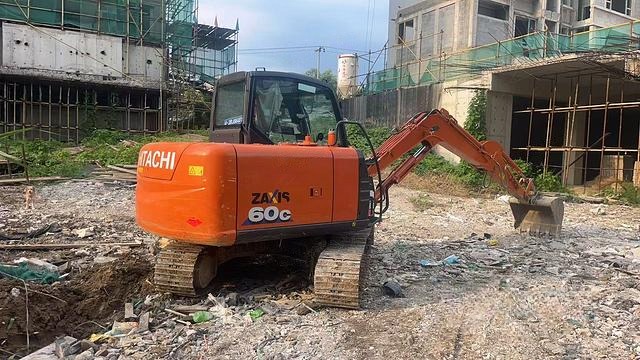
Hitachi ZX60C-6A
- Year
- 2025
- Hours
- 600
- Tonnage
- 5.4 t
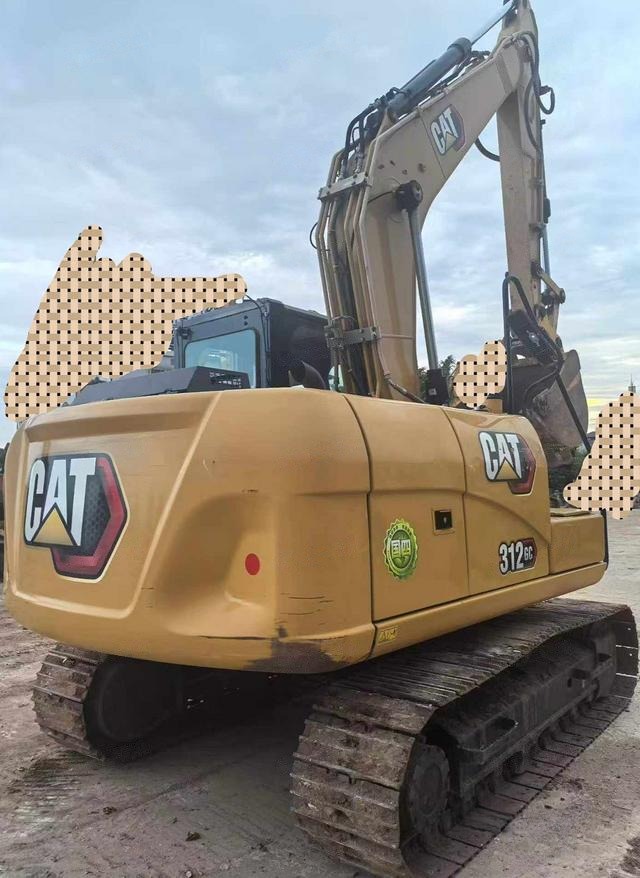
Caterpillar 312GC
- Year
- 2024
- Hours
- 730
- Tonnage
- 11.6 t
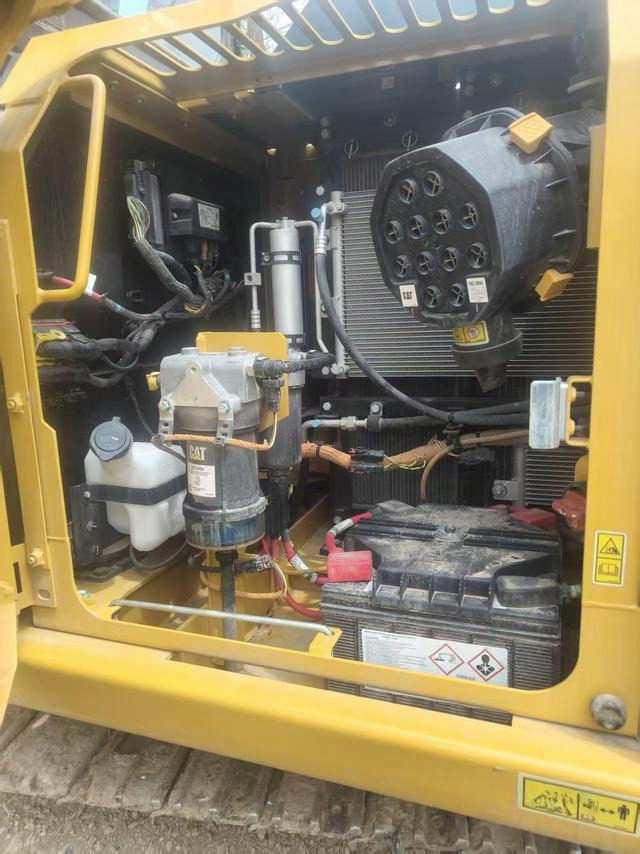
Caterpillar 313GC
- Year
- 2025
- Hours
- 756
- Tonnage
- 13.8 t
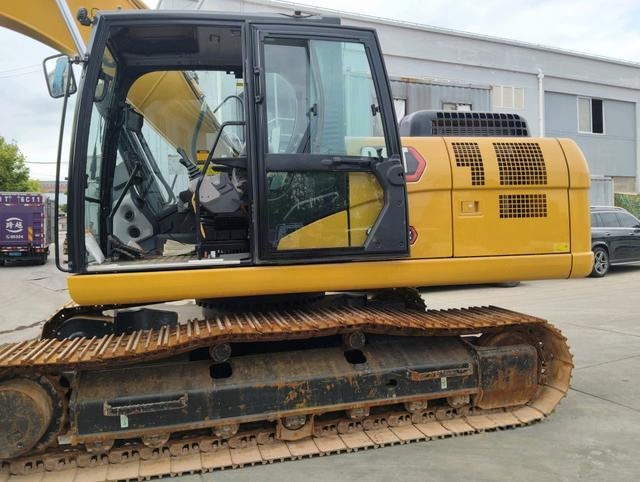
Caterpillar 323GX
- Year
- 2024
- Hours
- 795
- Tonnage
- 21.4 t
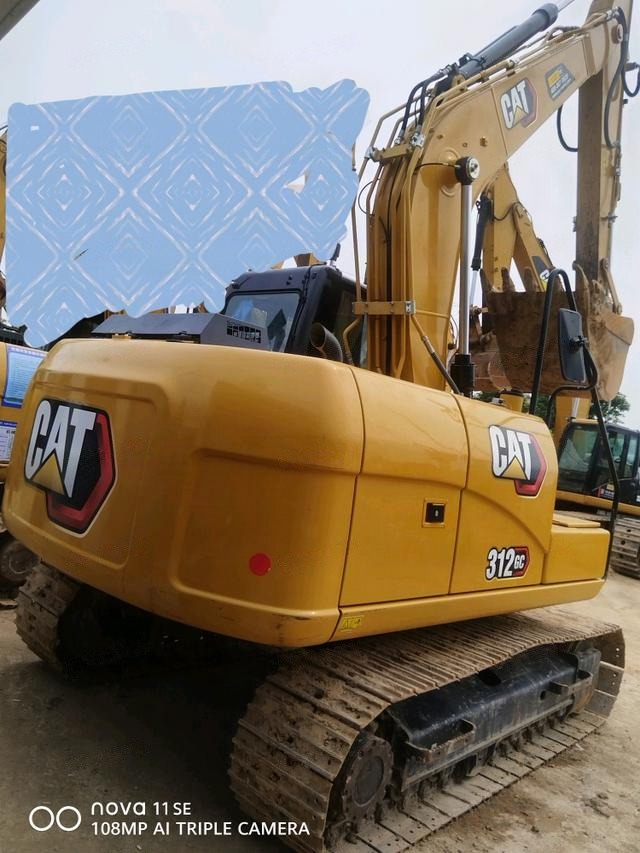
Caterpillar 312GC
- Year
- 2022
- Hours
- 1,100
- Tonnage
- 11.6 t
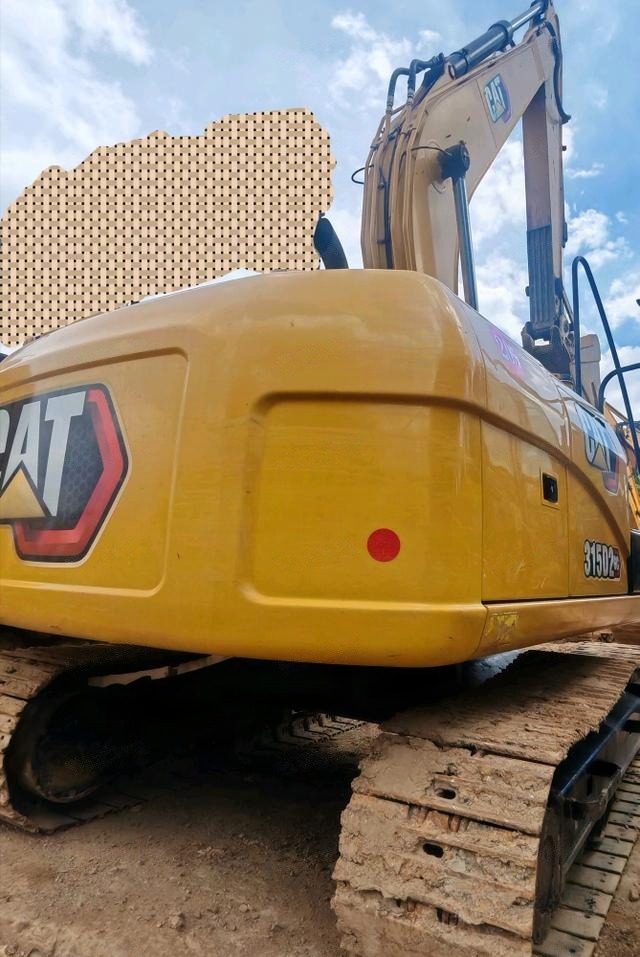
Caterpillar 313D2 GC
- Year
- 2020
- Hours
- 1,600
- Tonnage
- 12.5 t
Frequently asked questions
Where is the best place to buy a used excavator?
Machines4U's guide lists dealerships, auctions, trade magazines and online marketplaces. No source we've read ranks them. The checks in steps 4 to 7 apply the same way whichever you use.
Is 10,000 hours a lot on an excavator?
Louisiana CAT says major repairs are usually needed at 7,000 to 10,000 hours, though that isn't a formal study. A neglected low-hour machine can need more work than a higher-hour one with a clean service record.
What brand of excavator is most reliable?
The sources we've read include no neutral ranking, so we don't rank brands. Hitachi made up about a quarter of MachineryTrader NZ's used excavator listings in a September 2026 count, which makes it the most listed used brand there, not the most reliable. On a secondhand machine, hours and maintenance history tell you more than the badge.