What Size Excavator Do I Need? Digger Sizes by Job
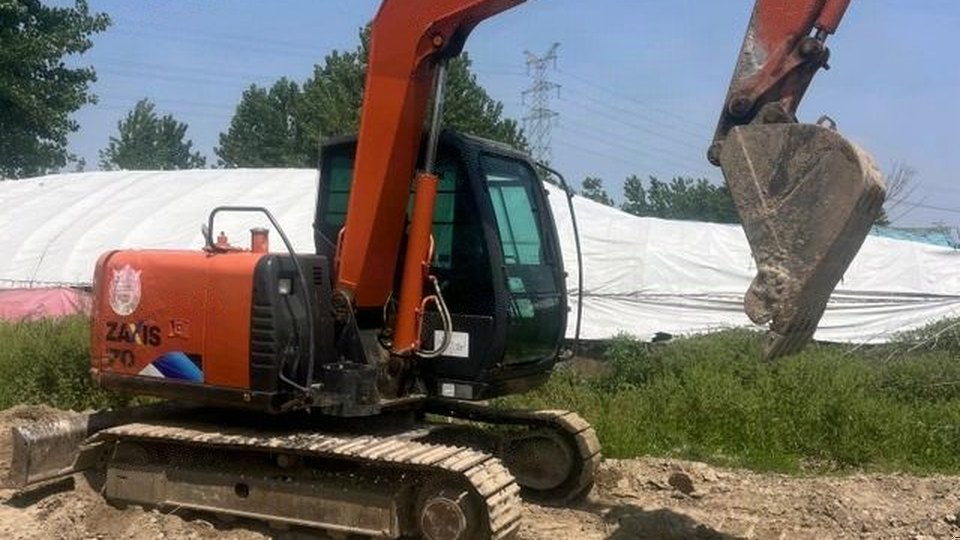
What size excavator you need, by job and site access, plus what NZ law says about towing one home.
A tight backyard trench needs a mini digger under 2 tonnes. A subdivision cut needs 20 tonnes plus. Match the job to a size class, then check the excavator will fit the site and get home. If you're towing it yourself, NZ and Australian rules matter too.
What size excavator do I need?
| Size class | Best for |
|---|---|
| 0.8–2 t (micro/mini) | Backyards, tight side yards, light trenching |
| 2.5–4 t (small mini) | Residential trenching, footings, stormwater |
| 5–10 t (midi/compact) | House-site drainage, culverts, driveway cuts |
| 12–15 t | Site cuts, utility trenching, general civil work |
| 18–30+ t | Subdivision earthworks, bulk material shifting |
Those bands line up across four hire companies and equipment sites: earthworkshub.com.au in Australia, Pronto Hire and Hirepool in NZ, and Coast 2 Coast in Queensland.
Ground conditions can push you up a size. Coast 2 Coast says: "For soft soil: All sizes will work... For clay: you will likely need 3T and above... In rocky conditions, a 5T–14T machine with a hydraulic rock breaker is often the safest option."
Micro and mini (0.8–2 t): tight access, light trenching
This class suits sites where access is the main problem. earthworkshub.com.au lists "irrigation and electrical conduits, small drainage trenches, post holes and light landscaping." Pronto Hire also points minis at backyard landscaping and post holes where a full-sized machine won't fit.
We don't currently list anything this small.
Small mini (2.5–4 t): the residential trenching sweet spot
Most residential trenching and footing work sits here. earthworkshub.com.au lists "stormwater and sewer trenches, footing trenches and pier holes, small driveway or slab preparation." Coast 2 Coast puts "retaining wall footings, pool digs, general site cuts, driveway prep" in its 3 to 5 tonne band.
For clay, Coast 2 Coast puts the line at 3 tonnes and up. Size, hours and condition are among the biggest factors in what a used excavator actually costs.
Midi and compact (5–10 t): drainage, culverts, driveway work
Pronto Hire calls this the class for jobs "where a mini digger would be underpowered but a full sized machine would be overkill." That covers house-site drainage and driveway cuts. Coast 2 Coast recommends a 5 to 14 tonne machine with a hydraulic rock breaker once you hit rock.
Browse our 4 to 10-tonne excavators if this is your bracket.
12 to 15 tonnes: the class NZ buys most
Pronto Hire calls the 13 to 15 tonne bracket "the workhorse class for most commercial and residential construction sites." It handles everyday civil work, from trenching to demolition.
Terra Cat is New Zealand's Caterpillar dealer and says the 13- to 15-tonne machine size is "the most popular model sold in New Zealand." It "makes up to 40 per cent of total excavator sales in the 13- to 50-tonne range" (terracat.co.nz). That's Terra Cat's claim rather than an independent industry count, though it matches how much of our stock sits in this bracket. See our 12 to 15-tonne excavators, including Cat and Hitachi models.
18 tonnes and up: bulk earthworks
Above 15 tonnes, you're into subdivision earthworks and bulk material shifting. Pronto Hire describes machines "built for major earthworks, bulk excavation, and large scale civil and demolition projects." We don't typically carry this size.
Beyond tonnage: reach, dig depth, tail-swing and site access
Weight affects what a machine can lift and how it sits on soft ground. Fit and reach come down to other specs. Our excavator weight and specs guide explains how Cat and Hitachi count weight differently.
Hirepool, New Zealand's largest hire company, breaks the rest down plainly. Reach is "how far the arm of the excavator can dig away from the excavator 'cab' itself." Dump height must clear the truck you're loading. Dig depth determines which machine you need. Tail-swing is how far the cab and counterweight extend past the tracks when turning. A zero tail-swing machine doesn't extend past them, useful in a tight side yard. Pronto Hire uses the same checks: machine weight, footprint and tail-swing.
Site access changes with size. These are one Australian company's field figures rather than an engineering standard, so use them as a pattern rather than guaranteed clearance. Coast 2 Coast says minis under 2 tonnes "fit through spaces as narrow as 950mm." Its 3 to 8 tonne machines "need roughly 1.5–2.5m access." Past 8 tonnes, "you'll likely need open site access," typically 2.5 to 3.5m wide. A standard side gate points to a mini digger; a full driveway can take 8 tonnes and up.
Dig depth rises with size, according to earthmovingwarehouse.com.au. A 1 to 2 tonne mini reaches roughly 2.2 to 2.5 metres. A 3 to 4 tonne machine reaches 3.0 to 3.5 metres. A 5 to 6 tonne machine reaches 3.5 to just over 4 metres.
Can you tow it home? What NZ law actually requires
Hire-company guides skip transport because they deliver. When you're buying, transport can decide what you take home.
In New Zealand, driving a tracked excavator anywhere the public can go requires a T endorsement on your licence, according to Waka Kotahi, NZ's Transport Agency. NZTA defines a road well beyond streets and highways, covering anywhere the public can access, gate or no gate (nzta.govt.nz). Pronto Hire calls it a "Wheels, Tracks and Rollers" endorsement, which is the training course name rather than NZTA's term.
For a mini digger on an unbraked trailer behind a ute, Waka Kotahi's glovebox guide says the laden trailer weight shouldn't exceed three-quarters of the tow vehicle's unladen weight, and only when the brakes and tyres are in excellent condition. Above that, the Class TC and TD heavy-trailer rules apply, as covered in our weight and specs guide. Hirepool and Pronto Hire both put a 2-tonne digger around the ceiling for towing yourself on a standard trailer. The companies agree on that trade practice, though neither cites the figure directly from NZTA. Treat it as a rule of thumb rather than law.
Australian towing rules vary by state. New South Wales is a worked example, not a national rule. Transport for NSW says P1 provisional licence holders can only tow "small trailers with up to 250kg of unloaded weight" (nsw.gov.au). That excludes most plant trailers. The same page sets braking requirements by weight: under 750kg needs no brakes; from 751 to 2,000kg, brakes go on one axle; from 2,001 to 4,500kg, brakes go on all wheels. Outside NSW, check your state's road authority before using the same numbers.
Matching size to what's on our site
Once you know the tonnage, browse by size: our 12 to 15-tonne excavators or 4 to 10-tonne excavators, or see everything currently listed.
See the excavators in stock
Browse excavatorsMachines that fit
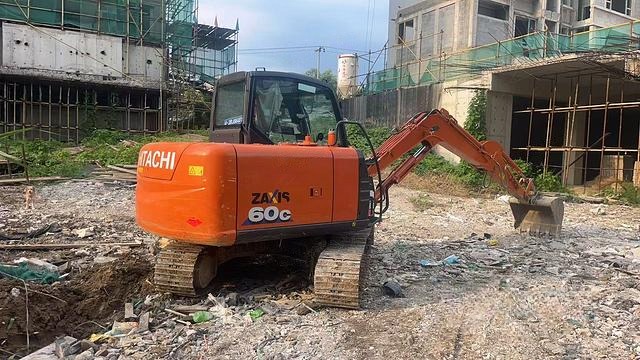
Hitachi ZX60C-6A
- Year
- 2025
- Hours
- 600
- Tonnage
- 5.4 t
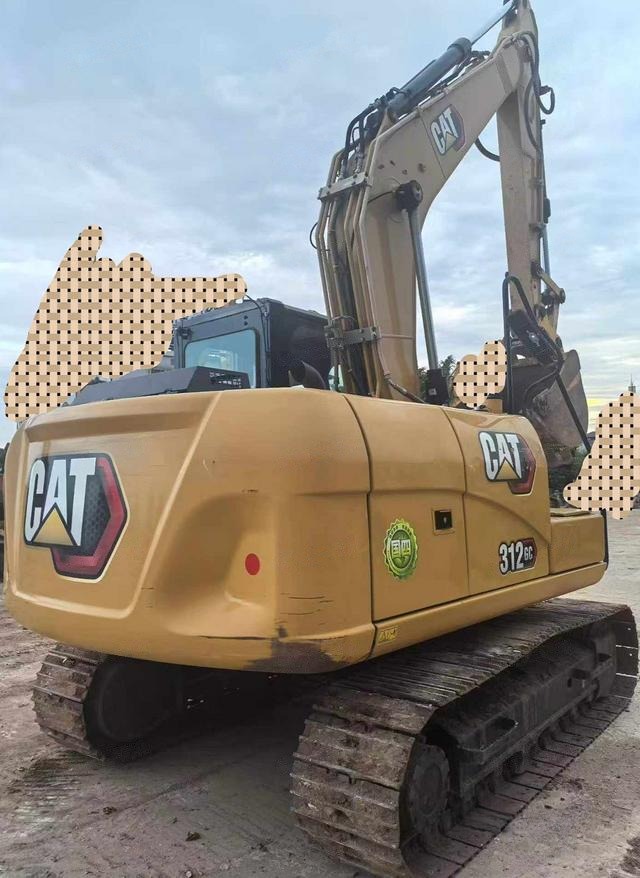
Caterpillar 312GC
- Year
- 2024
- Hours
- 730
- Tonnage
- 11.6 t
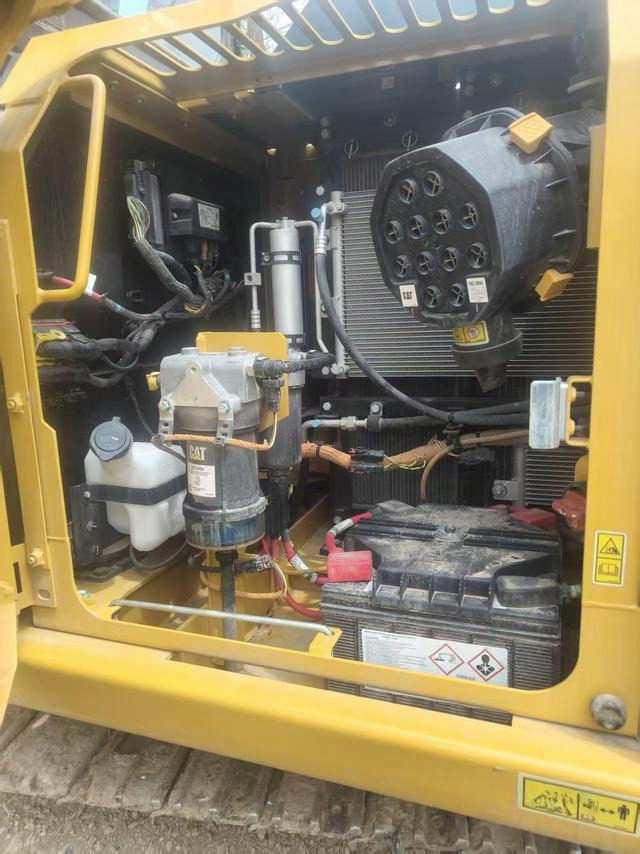
Caterpillar 313GC
- Year
- 2025
- Hours
- 756
- Tonnage
- 13.8 t
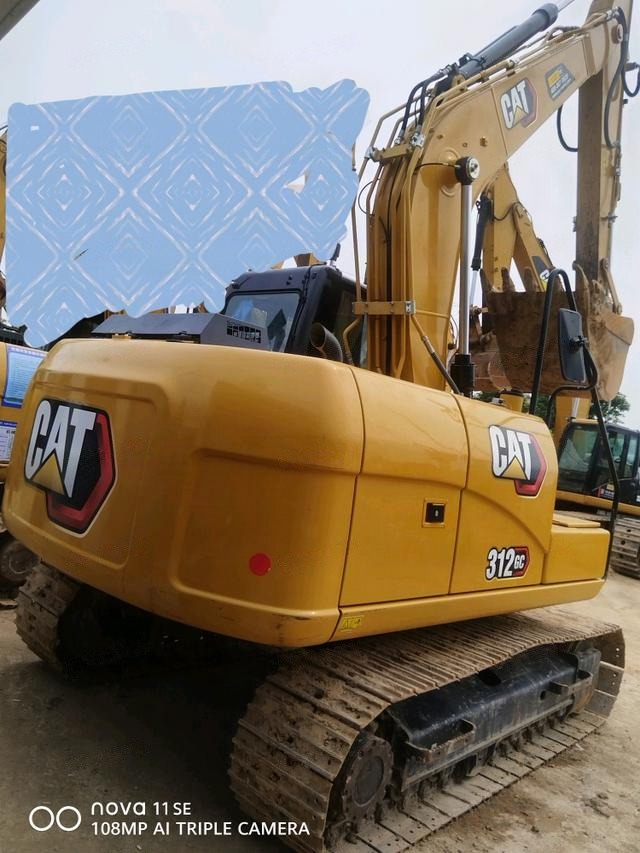
Caterpillar 312GC
- Year
- 2022
- Hours
- 1,100
- Tonnage
- 11.6 t
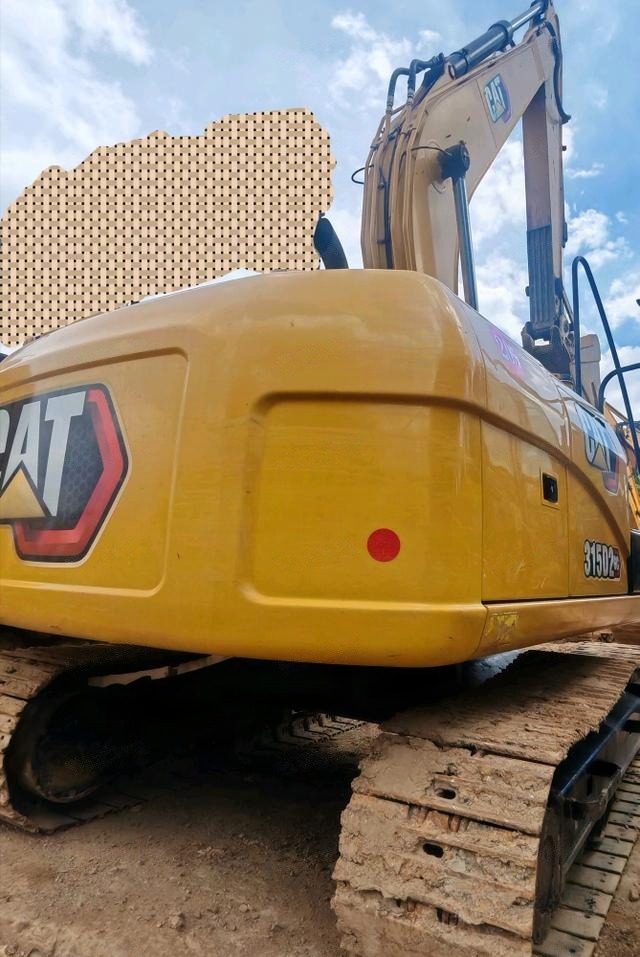
Caterpillar 313D2 GC
- Year
- 2020
- Hours
- 1,600
- Tonnage
- 12.5 t
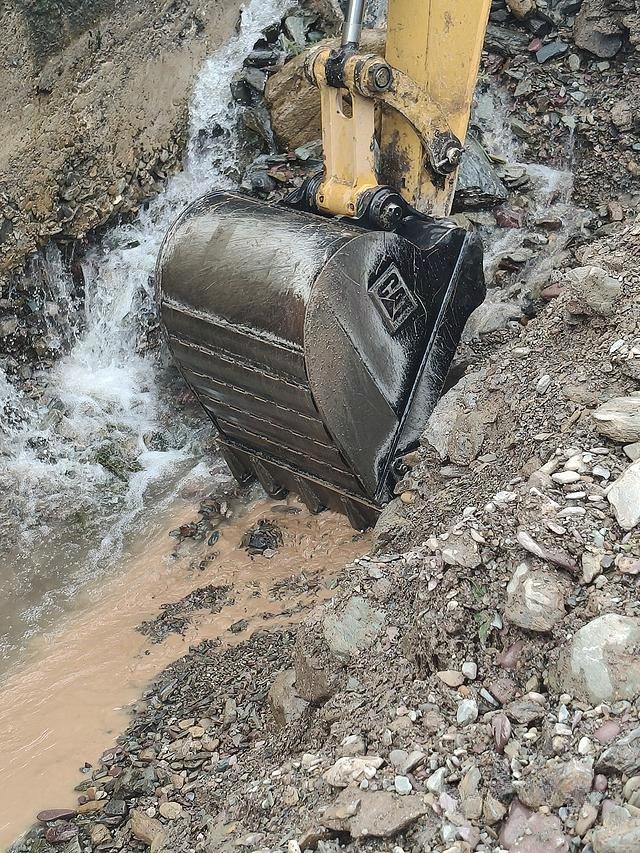
Caterpillar 307
- Year
- 2023
- Hours
- 2,800
- Tonnage
- 8.12 t
Frequently asked questions
What size excavator do I need for a small backyard job?
For a standard backyard, a mini digger under 2 tonnes is usually enough, especially through a tight side gate. If the job involves footings or stormwater work, look at the 2.5 to 4 tonne class instead. Same goes if the access is wider than a standard gate.
How do I know if I need a wheeled or tracked excavator?
Wheeled excavators only work well on flat, hard ground, but they can drive themselves between sites on the road. Tracked excavators handle soft or uneven ground. Steel tracks suit mud, rubber tracks suit grass or hard surfaces, per Hirepool's own guide for tradespeople.
What size excavator do I need for residential work?
Most residential trenching, footings and stormwater work sits in the 2.5 to 4 tonne class. Drainage, driveway cuts or bigger footings push you into the 5 to 10 tonne midi class instead.
Is a bigger excavator always better?
No. A bigger machine costs more to buy and move, and it might not fit the site at all. Match the job to a size class first, then check it actually fits the ground and the access. Don't just buy the biggest machine you can afford.
What size excavator is best for tight access?
Under 2 tonnes gets you through gaps as narrow as 950mm, according to Coast 2 Coast's own field figures. From 3 to 8 tonnes you'll usually need 1.5 to 2.5 metres of clear access. Measure the gate or side yard before you decide.