Excavator Weight and Operating Specs Explained
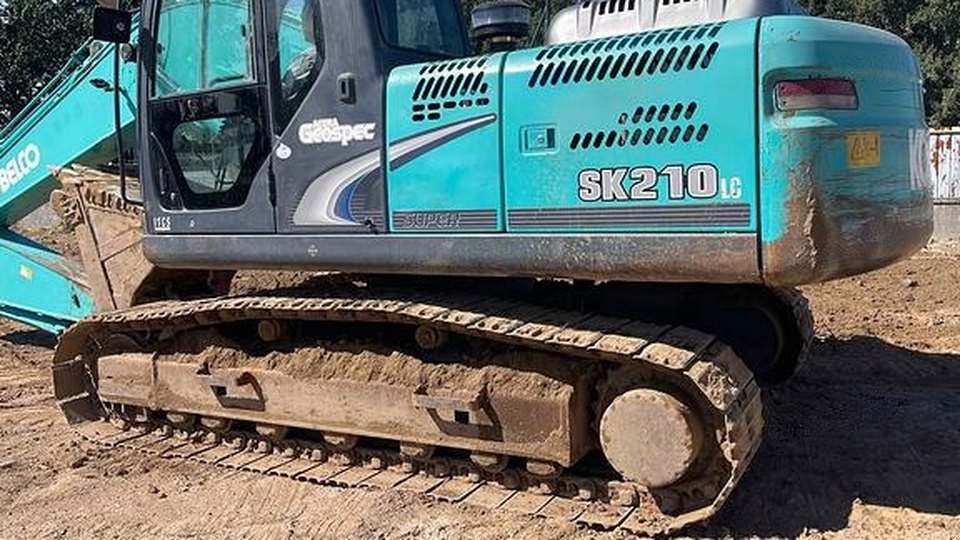
What excavator operating weight means, Cat 302 to 308 weights from Caterpillar's own specs, and the other specs that matter before you buy.
If you typed a Cat model number into Google looking for its weight, these figures come straight from Caterpillar's spec pages. Operating weight means the excavator is ready to work, usually with the operator and a full fuel tank. The rest of the load varies by maker and can shift the figure considerably.
Cat 302 to 308 excavator weights
Caterpillar publishes these operating weights for the max configuration with cab on each model's current spec page on cat.com. They were current at the time of writing.
| Model | Operating weight (max, cab) | Net power |
|---|---|---|
| 302 CR | 2,262 kg | 15.7 kW (21 hp) |
| 303 CR | 3,545 kg | 17.6 kW (23.6 hp) |
| 303.5 CR | 4,190 kg | 17.6 kW (23.6 hp) |
| 304 | 4,475 kg | 33.6 kW (45 hp) |
| 305 CR | 5,754 kg | 33.6 kW (45 hp) |
| 306 CR | 7,150 kg | 41.7 kW (55.9 hp) |
| 308 CR | 8,387 kg | 51.8 kW (69.5 hp) |
We don't currently list machines this small. Models from 302 to 303.5 fall in the 1.5 to 3.5 tonne mini excavator class, which we don't carry. People still search for the figures, so we've used the maker's numbers. Browse our Caterpillar excavators for our current range.
The 305.5 and 307 aren't in Caterpillar's current lineup. Cat jumps from 305 to 306, and the 307 was retired. Caterpillar's own press release says the 308 CR Fixed Boom replaced the 307.5.
Figures for those two models now come from third-party spec sites. They put the 305.5 around 5,380 to 5,400 kg and the 307 around 7,100 to 7,900 kg, depending on the older generation covered. A single confident figure for either badge applies to a generation no longer officially made.
A Cat 307 on our site lists at 8.12 tonnes, slightly above that third-party range.
What "operating weight" actually includes
"Operating weight" depends on what the manufacturer counts. The two biggest names in the business count it differently.
Caterpillar's footnote on every CR-series spec page reads: "Maximum Weight is based on steel tracks, operator, full fuel tank, long stick, blade, no bucket and extra counterweight." Every Cat figure in the table leaves the bucket out.
Hitachi includes it. Its ZX200LC-5G spec sheet calculates operating weight "including 0.80 m3 (ISO heaped) bucket weight (660 kg) and counterweight (4,200 kg)." Same term, different load on the scale.
That explains why two sites can give two weights for the same class of machine. Check the fine print before trusting the headline figure.
A Kobelco SK200-10 on our site lists an operating weight of 20.7 tonnes. Kobelco's own regional spec page gives exactly 20,700 kg for the same model.
A Hitachi ZX200-5A on our site lists 19.7 tonnes, close to Hitachi's current ZX200LC-5G sheet at 19,800 to 21,000 kg depending on shoe width. The two belong to different generations of the same model line.
The other specs worth checking alongside weight
A few other specs move with weight.
Ground pressure measures how hard the machine pushes on the ground in kPa (kilopascals). It divides the weight by the amount of track touching the ground, which helps show if a digger can work soft or wet ground without sinking. Caterpillar lists 23.7 to 26.8 kPa for a 302 and 33.8 to 37.6 kPa for a 308. More weight raises pressure unless wider tracks spread the load. Hitachi's spec sheet shows the trade-off: the same 19,800 kg machine reads 44 kPa on a 600 mm track shoe and 34 kPa on an 800 mm shoe.
Engine power, dig depth and reach also climb with weight. The smallest CR-series machine has around 15.7 kW and 2.6 m of dig depth; the 308 has 51.8 kW and 4.6 m. Sizing needs its own guide, but higher operating weight generally means higher figures across the sheet.
Weight also feeds into what a used excavator is actually worth. Our listings put it after year and hours. Hours matter just as much as weight when you're checking a machine over.
Does a heavier excavator need a different trailer in NZ?
Usually, yes. NZTA's own guidance divides heavy trailers into Class TC, 3.5 to 10 tonnes, and Class TD, over 10 tonnes. Anything over 10 tonnes needs a Class TD trailer, including every machine in our 12 to 15 tonne range.
NZTA also limits trailer mass against the tow vehicle. A heavy trailer's axle mass can't exceed the tow vehicle's mass by more than 50%. The truck, trailer and digger must stay under the mass limits set for its wheelbase, up to 44,000 kg on a wheelbase of 16 metres or more unless you're running an overweight permit.
Before you buy
Check the weight, what it includes and what will move it. Every listing on our site shows year, hours and operating weight up front, in that order. Browse what's on our site now.
See the excavators in stock
Browse excavatorsMachines that fit
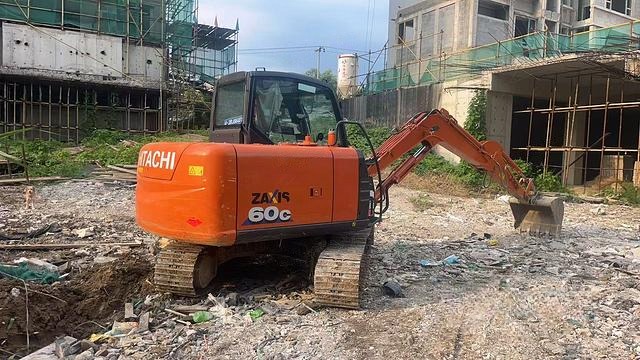
Hitachi ZX60C-6A
- Year
- 2025
- Hours
- 600
- Tonnage
- 5.4 t
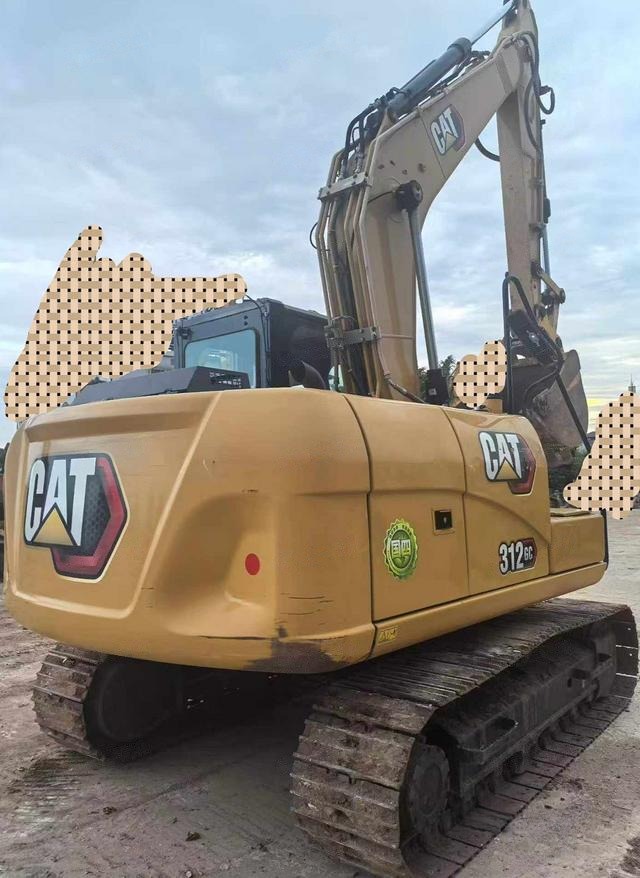
Caterpillar 312GC
- Year
- 2024
- Hours
- 730
- Tonnage
- 11.6 t
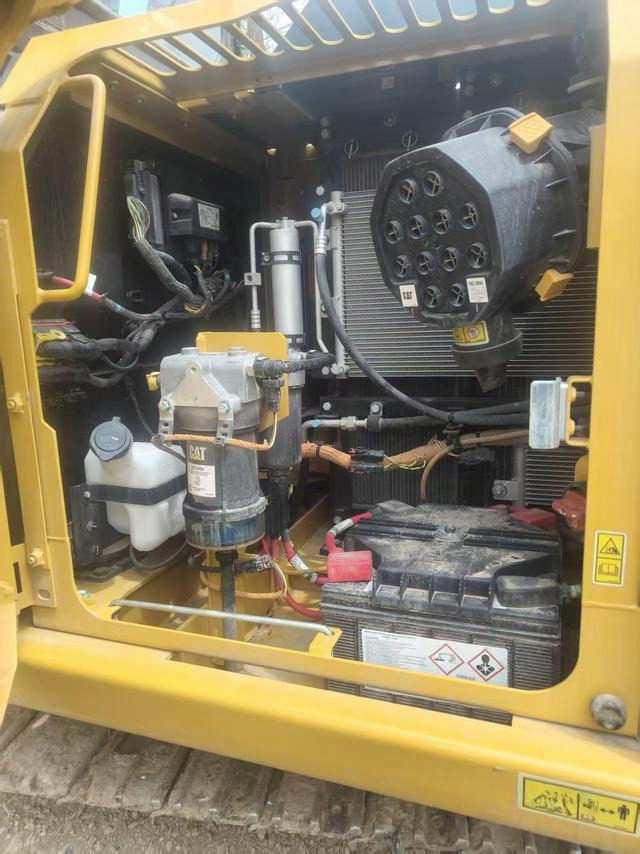
Caterpillar 313GC
- Year
- 2025
- Hours
- 756
- Tonnage
- 13.8 t
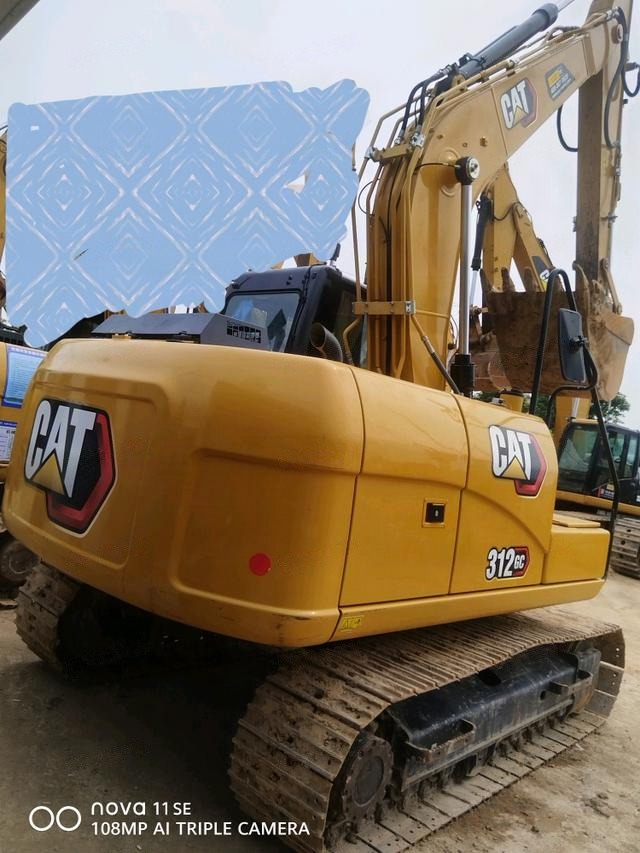
Caterpillar 312GC
- Year
- 2022
- Hours
- 1,100
- Tonnage
- 11.6 t
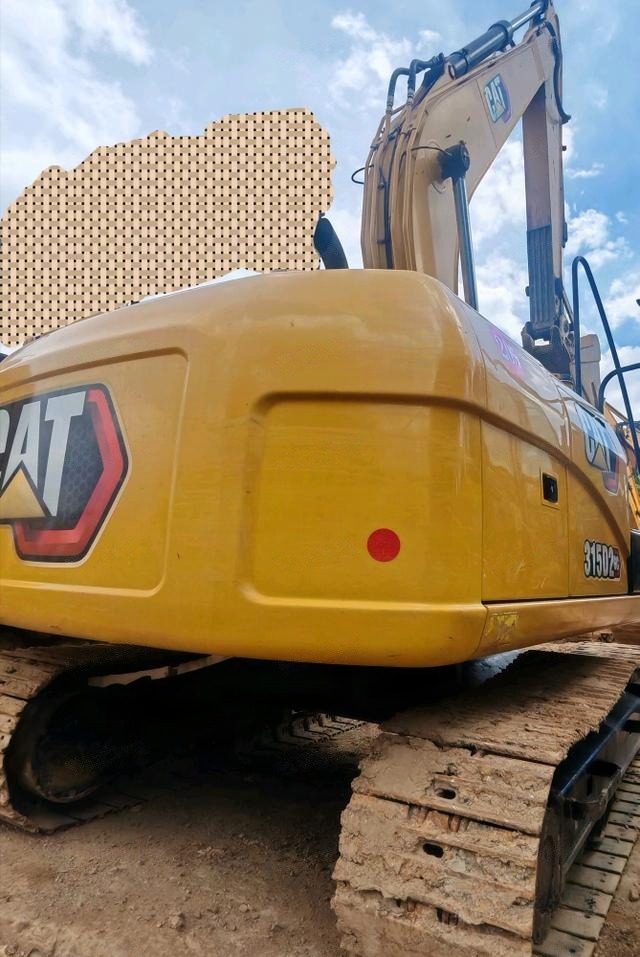
Caterpillar 313D2 GC
- Year
- 2020
- Hours
- 1,600
- Tonnage
- 12.5 t
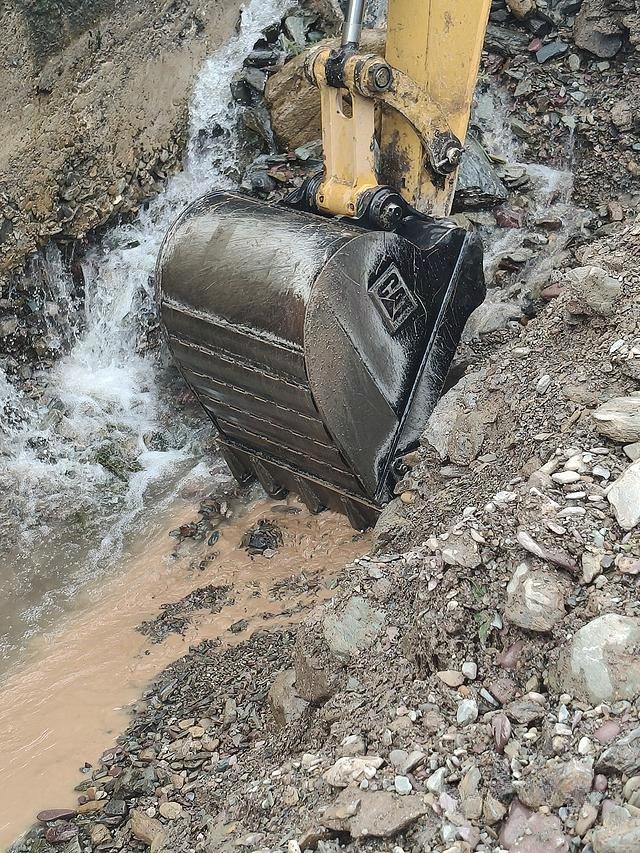
Caterpillar 307
- Year
- 2023
- Hours
- 2,800
- Tonnage
- 8.12 t
Frequently asked questions
What's the difference between operating weight and shipping weight?
Operating weight is the machine ready to dig, usually with the operator and a full fuel tank. Shipping weight is lower. Under ISO 6016, shipping weight leaves out the operator and reduces fuel to 10% of tank capacity. Use shipping weight when arranging transport; the spec sheet headline won't help much there.