Excavator vs Backhoe Loader: Which Do You Need?
Excavator or backhoe loader? What the spec sheets say about dig depth, slew and force, where a backhoe wins, and how to choose for your jobs.
A backhoe loader is a wheeled tractor with a loader bucket on the front and a digging arm on the back, so it does two jobs decently. An excavator is a digging arm on a cab that turns on top of tracks, and it does one job harder. We sell used tracked excavators only, so this guide is here to help you pick the right type of machine.
Does an excavator dig deeper?
Not by as much as you'd think, because the maker figures overlap:
| Machine | Weight | Maximum dig depth |
|---|---|---|
| Cat 432 backhoe loader | about 8.4 t | 4.78 m (standard stick) to 6.17 m (extended stick) |
| JCB 3CX and 4CX Sitemaster backhoe loaders | n/a | up to 6.51 m |
| Cat 313 GC excavator | 13.8 t | 6.04 m |
All figures are the makers' stated maximums. A backhoe with an extended stick digs about as deep as a 13 tonne excavator, so depth alone won't decide it. Our weight and specs guide explains how to read these figures.
How do the two compare on digging force?
Cat's specalog lists about 63 kN of bucket dig force for the 432, and the 313 GC sheet lists 98.67 kN. The bigger excavator lists more force, but it isn't a like-for-like comparison because the weights differ and the sheets may not measure force the same way.
What does 360 degree slew change?
Slew is the rotation of the machine's upper body, and an excavator's cab turns a full circle on top of its tracks without moving them. The Cat 432 specalog lists a swing arc of 180 degrees, and although dealers often quote about 200, the spec sheet says 180.
Work outside that arc means moving the machine, because as SANY puts it, "the chassis cannot rotate synchronously".
Where does a backhoe loader win?
Loading and getting around. The front bucket loads trucks and moves spoil without a second machine, and Cat Rentals says backhoes combine "loading and digging in one machine, eliminating the need, and time, to switch equipment."
The Cat 432 page lists a travel speed of about 40 km/h, so it can drive itself between nearby jobs. A tracked excavator normally arrives on a trailer (see how excavators are shipped). For a farm or yard with a mix of small jobs and one operator, that's a real advantage.
Where does an excavator win?
On steady digging. Cat Rentals puts it plainly: "If your project requires constant heavy digging, choose an excavator. For jobs with changing demands throughout the day, a backhoe provides more versatility."
Hire firm Kennards is blunt about it: "If you're digging footings for house extension, drains, excavating pools, ponds or dams, you need an excavator." Our wheeled vs tracked guide covers how tracks and wheels sit on the ground. A quick hitch also lets an excavator swap between a bucket, a hammer or an auger, as our attachments guide explains.
Is an excavator plus a second machine better than one backhoe?
It depends on the work. Case, a backhoe maker, published a showdown article on this in 2014. It's old and US-based. It covers compact excavators and skid steers, but the logic holds at larger sizes.
It concedes both sides: "Both are correct." A backhoe "typically runs all day" and handles heavier work than the smaller machines.
Two machines can work at once, though, and one can be serviced while the other runs. Case also notes that two machines need two operators. Our excavator vs skid steer guide goes further on that pairing.
Which do you need?
This is our rule of thumb, not a standard.
- Choose a backhoe loader if you split your day between digging and loading, work alone, or move between nearby sites.
- Choose an excavator if digging is most of the job or you're trenching long lines.
- Consider both if the job is big enough for two operators.
If it's an excavator, our what size do I need guide is the next step.
What we sell
Every machine we sell is under 6,000 hours, cleaned and inspected before import and signed off by a qualified engineer. Each one is inspected and photographed again before it ships to you.
Our 12 to 15 tonne excavators are the class closest to a big backhoe's depth. See what's on our site right now.
See the excavators in stock
Browse excavatorsMachines that fit
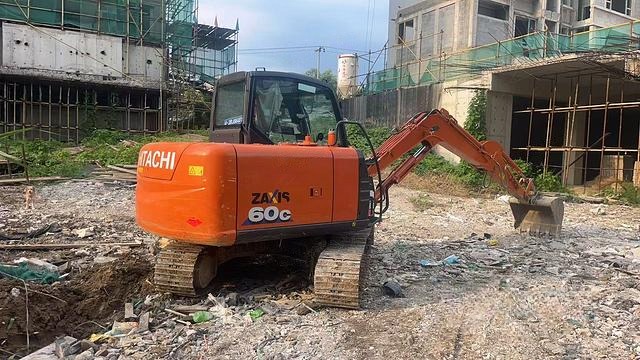
Hitachi ZX60C-6A
- Year
- 2025
- Hours
- 600
- Tonnage
- 5.4 t
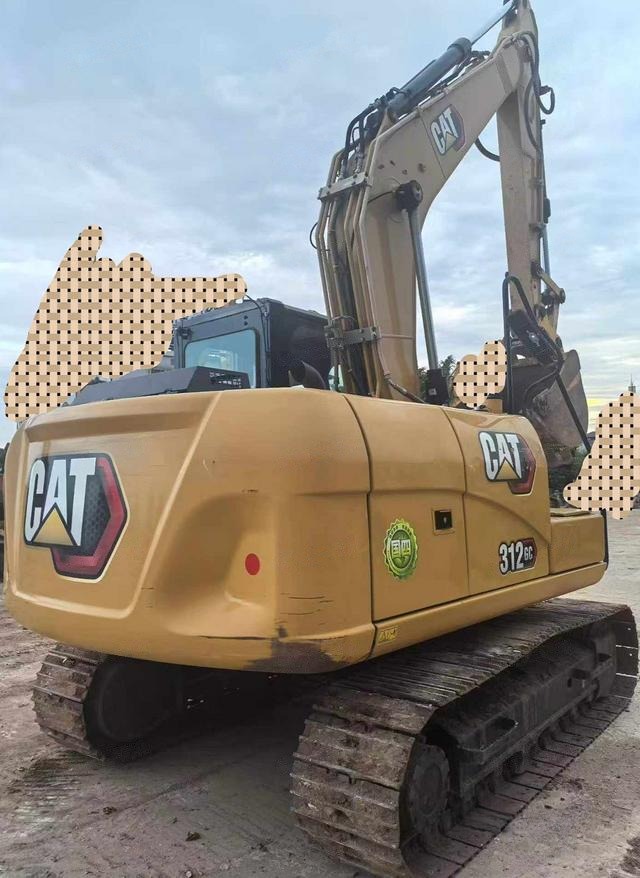
Caterpillar 312GC
- Year
- 2024
- Hours
- 730
- Tonnage
- 11.6 t
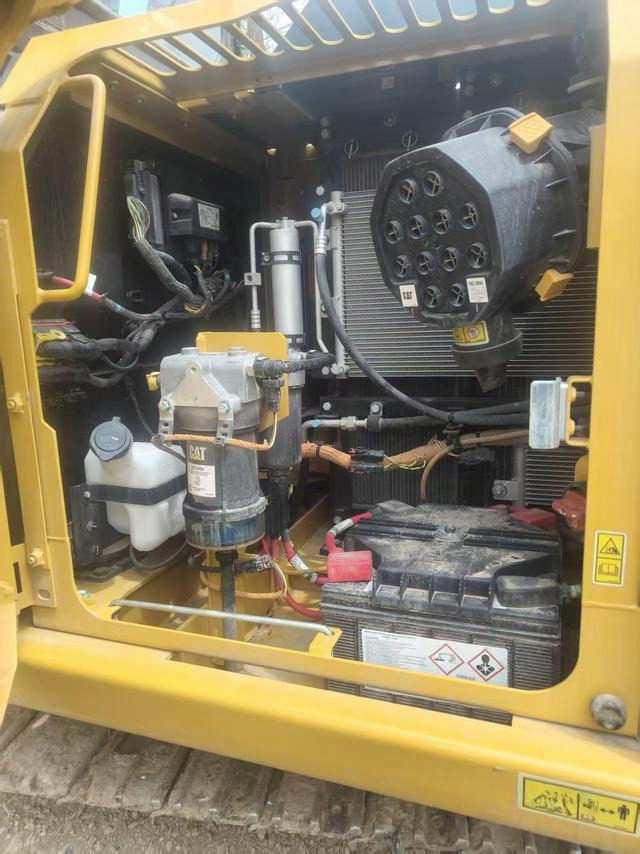
Caterpillar 313GC
- Year
- 2025
- Hours
- 756
- Tonnage
- 13.8 t
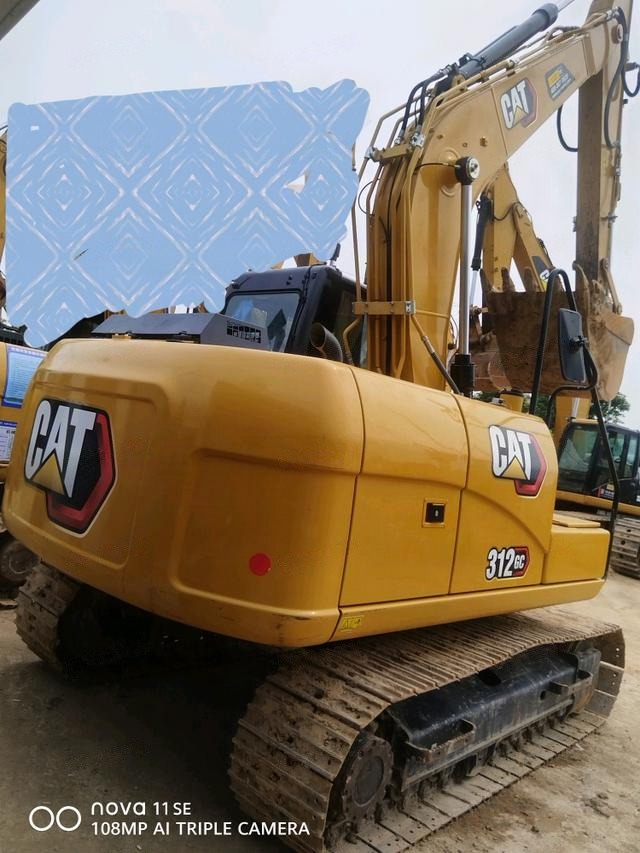
Caterpillar 312GC
- Year
- 2022
- Hours
- 1,100
- Tonnage
- 11.6 t
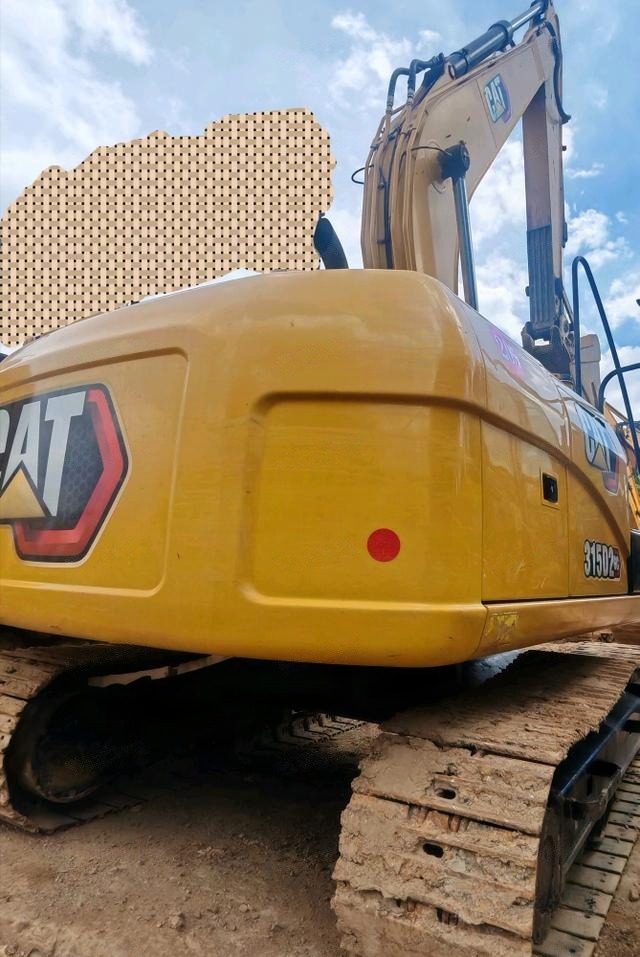
Caterpillar 313D2 GC
- Year
- 2020
- Hours
- 1,600
- Tonnage
- 12.5 t
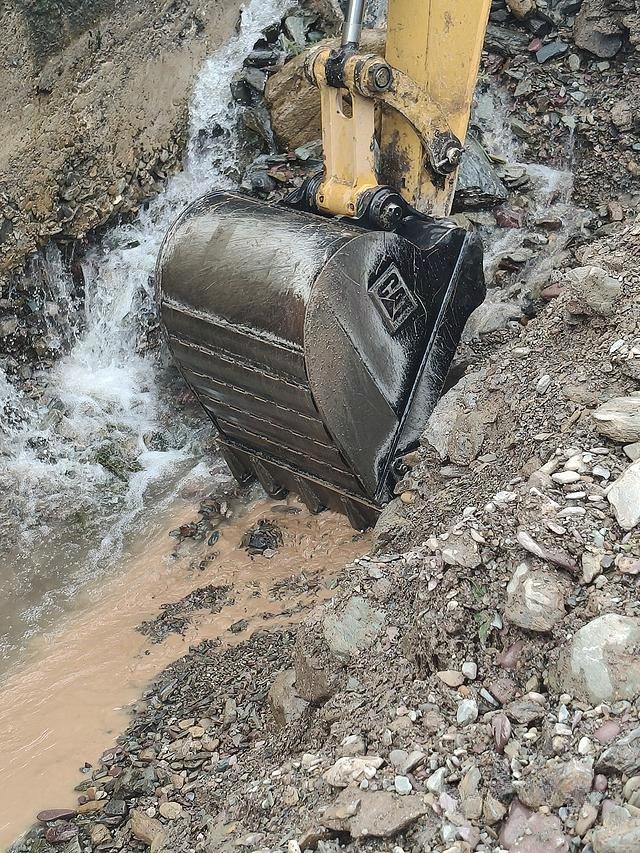
Caterpillar 307
- Year
- 2023
- Hours
- 2,800
- Tonnage
- 8.12 t
Frequently asked questions
Why do people call excavators backhoes?
In New Zealand "digger" covers both machines, and Cat calls the backhoe's arm an "excavator-style boom". Some people also say "trackhoe" for a tracked excavator.
Is a backhoe or an excavator better for a small residential project?
Gregory Poole, a US Cat dealer, says a backhoe is often the better fit because it's smaller and handles mixed tasks such as digging, loading and cleanup. That's one dealer's view, so weigh it against your own site.