Excavator Attachments Explained: Buckets to Quick Hitches
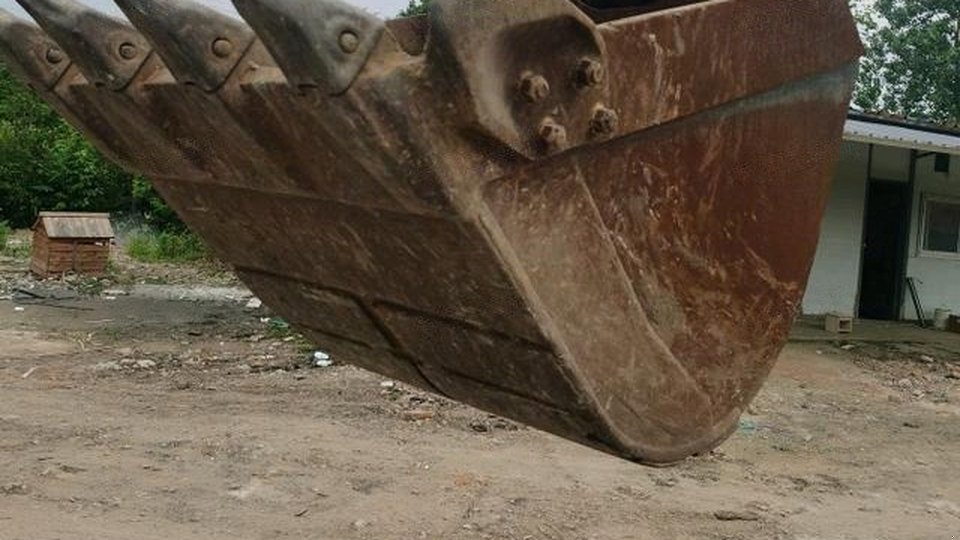
What excavator attachments actually do, and why quick hitches are the one WorkSafe NZ and Safe Work Australia treat as a safety risk.
An excavator's bucket does the digging, but it's rarely the only tool on the machine. Most used excavators come with at least one bucket. Plenty also have a breaker, a second bucket or a quick hitch for swapping attachments. One part matters more than the rest for safety.
What attachments actually do
A bucket moves dirt, gravel and rubble. A breaker, also called a hammer, smashes concrete or rock that's too hard to dig. A quick hitch is the coupler that lets you swap attachments without changing the whole machine.
Bucket types explained
Most excavators come with more than one bucket. Each shape suits different ground and work.
Digging bucket. This is the standard bucket. Rhinox Group calls it "the attachment you will most likely recognise," used for "bulk digging through soil and rubble in construction, landscaping or groundworks environments." AU Buckets, a WA attachment supplier, says it suits "residential work, light civil and service trenches in easier material."
Trenching bucket. Narrower, for pipes and cables. Rhinox describes the V-shaped version as designed "to form clean sided, sloped drainage trenches." Its deeper, narrower "micro trenching bucket" was originally built for fibre optic cable runs and is now used for pipes and irrigation too.
Batter or mud bucket. Wide and shallow, for finishing and softer ground. AU Buckets says it "gives you the width and capacity you need" for "final trims, batter work and bulk loading in softer conditions." Rhinox calls it several names, including grading bucket and ditching bucket, and says it's built to "create a smooth finish" on softer material. Same bucket, different seller.
Tilt bucket. Two different things share the word "tilt." A tilt bucket has a hydraulic ram that tilts the bucket side to side for slopes and ditches. A tilt coupler, sometimes sold as a tilt-rotator, sits between the arm and bucket and tilts whatever is attached. One is a bucket feature; the other is a coupler feature.
Ripper. Made for ground too hard to dig straight through. Rhinox's frost bucket has "a ripper tooth style attachment fitted to the reverse of the bucket." It breaks up compacted ground before a standard bucket cuts it. The same idea comes as a standalone attachment with one tooth for extra penetration.
Our Caterpillar and Hitachi listings show included attachments in the spec line. Check it before assuming a bucket comes with the sale.
Hydraulic breakers and hammers
A breaker fires a piston to fracture concrete, asphalt or rock that's too hard to dig.
WHC Hire Services, a UK plant hire company, says a breaker "only requires a single flow auxiliary to fire the piston which creates the fracturing force." That explains the mechanism; it isn't an NZ or Australian standard.
Sizing matters. AU Buckets warns that "undersizing a hammer means poor penetration and long breaking times, while oversizing puts major stress on the excavator and can lead to costly repairs." Match the hammer to the machine's rated weight range rather than guessing.
We couldn't find an NZ or Australian regulator with published guidance on breaker service intervals or flow rates, so we won't invent numbers. If a machine comes with a breaker, ask for the hammer manufacturer's spec sheet.
Quick hitches: the part that actually matters
A quick hitch lets you change attachments without pulling every pin by hand. It's also the attachment most linked to serious injuries and deaths on site, so it deserves more attention than buckets or breakers.
WorkSafe NZ explains the mechanism: "Quick hitch devices use a locking system consisting of either a manual locking pin or an automatic hydraulic pressure hitch to hold the attachment to the excavator or backhoe arm." You lock it by hand or from the cab.
WorkSafe NZ warns: "If the attachment is the wrong size it may not be able to be secured properly, and the quick hitch will fail. If the locking system is not in place, the quick hitch might work for some time but then suddenly swing open, releasing the bucket or other attachment... In either situation, the consequences may be fatal." A bucket that isn't locked on properly can drop or swing without warning and kill someone underneath it.
WorkSafe NZ identifies two factors in these accidents: "The quick hitch system has failed, and... the person struck by the bucket or other attachment was in an unsafe position, either underneath or in the vicinity of the bucket." Operators can check both before work. WorkSafe NZ says to check the bucket is secured "by the quick hitch," and "set up an exclusion zone around the area where the excavator or backhoe is operating."
Pins matter too. WorkSafe NZ says: "Do not use substitutes such as a structural bolt or a reinforcing bar," and always "ensure that attachments are fitted with the correct pin centres and diameters." The wrong pin stops the hitch locking as designed.
On any used machine over 7 tonnes, check for hose burst protection valves. WorkSafe NZ requires "hose burst protection valves... fitted to all new and used hydraulic excavators with an operating weight of 7 tonnes or more after 1 January 2016." Confirm the valve is fitted if the machine falls into that bracket.
Safe Work Australia names four hitch types: "half-hitch, mechanical, semi-automatic and automatic." Buyers generally deal with three: manual, semi-automatic and fully automatic.
| Hitch type | How it locks | What the regulators say |
|---|---|---|
| Manual | You get out of the cab and insert a locking pin by hand, every time you swap attachments. | WorkSafe NZ says it locks with "a manual locking pin." Safe Work Australia files this under its "half-hitch" and "mechanical" types. |
| Semi-automatic | The main coupler locks hydraulically from the cab, but a backup safety pin still has to be pulled out and put back in by hand on every swap. | Safe Work Australia: that pin "must be physically withdrawn and inserted by the operator each time they change an attachment," so "the safety device is sometimes not engaged due to the time and effort required." |
| Fully automatic | Both the lock and the safety check happen hydraulically, verified from the cab. | Safe Work Australia calls it "a preferred system as they include an engineering control... and the safety device can be engaged and verified from the plant operating position." |
If checking a safety pin takes time on every attachment change, someone may skip it. That's what happened in the incident behind WorkSafe Victoria's safety alert: "A young worker's leg was crushed when an excavator bucket unexpectedly detached from height during a house demolition." Early indications were that the bucket was on a semi-automatic quick hitch. WorkSafe Victoria listed this control first: "Replace the semi-automatic quick hitch with a fully automatic quick hitch."
All three regulators reach the same conclusion: automatic beats semi-automatic, which beats manual.
What to check when a used machine comes with attachments
Check pin size first. It varies across size classes, and bigger excavators generally use bigger pins. An attachment for a smaller machine may not fit a larger one.
Digger City's NZ hitch chart and Astro Hire's Australian chart carry the same warning: confirm your machine's exact measurements before ordering. Pin sizes vary by manufacturer and model year. Use the listing's spec sheet and a tape measure rather than one number for a whole size class.
If you're unsure of the size class, start with our guide to excavator weight and specs, including our 12 to 15 tonne and 4 to 10 tonne ranges.
If a breaker or other hydraulic tool comes with the machine, check for an auxiliary hydraulic output. The attachment won't work without one.
Attachments have the same biosecurity requirements as the machine. Mud and soil collect in bucket teeth, hitch pins and hammer chisels, and border inspectors check those spots. Our guide to MPI biosecurity cleaning explains the inspection.
Every machine we sell, including its attachments, is cleaned and inspected before import. A qualified engineer inspects, photographs and signs it off again before shipping. For the machine itself, read how many hours is too many on a used excavator and what determines a used excavator's price. Browse what's currently listed.
See the excavators in stock
Browse excavatorsMachines that fit
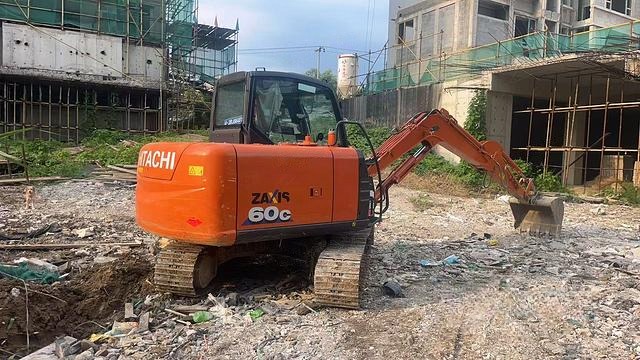
Hitachi ZX60C-6A
- Year
- 2025
- Hours
- 600
- Tonnage
- 5.4 t
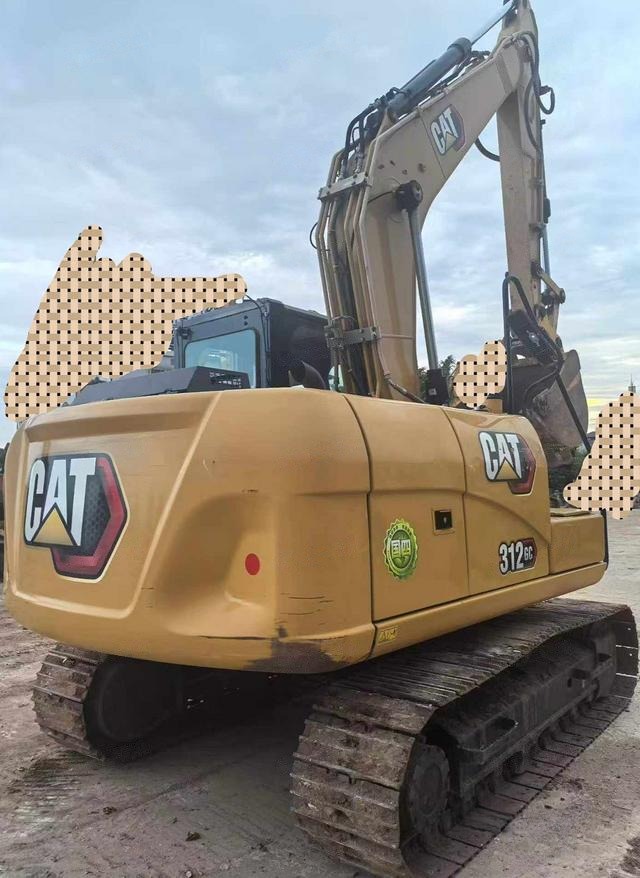
Caterpillar 312GC
- Year
- 2024
- Hours
- 730
- Tonnage
- 11.6 t
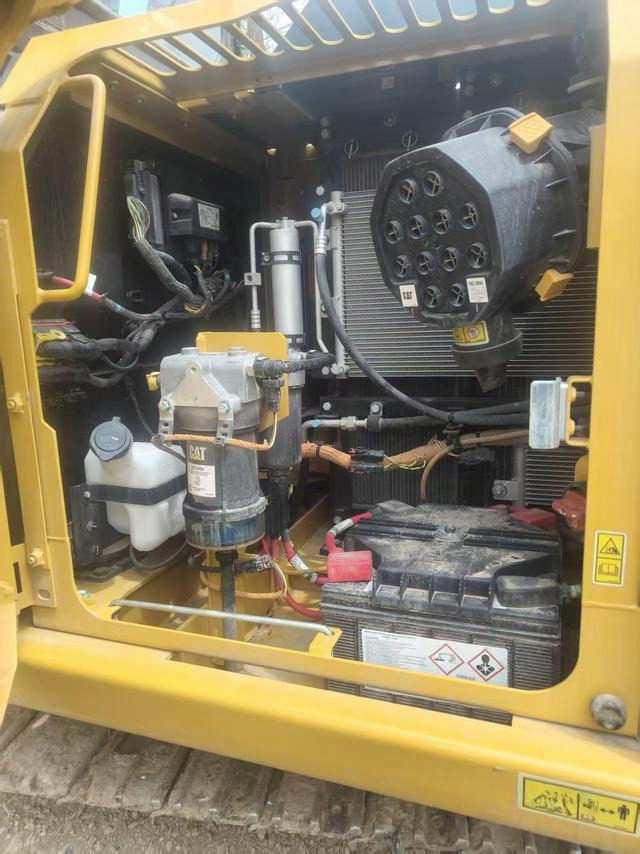
Caterpillar 313GC
- Year
- 2025
- Hours
- 756
- Tonnage
- 13.8 t
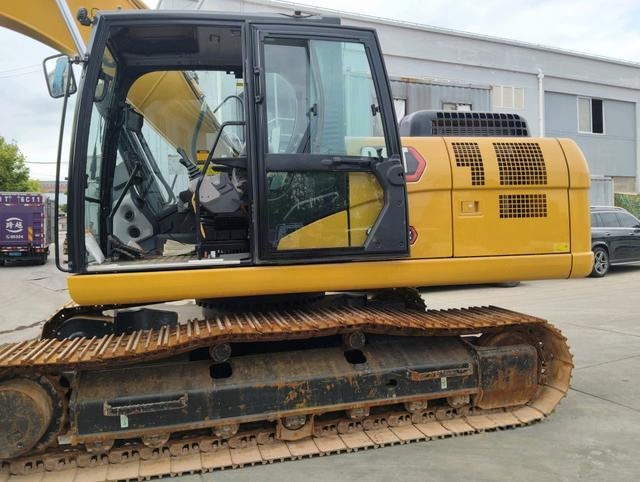
Caterpillar 323GX
- Year
- 2024
- Hours
- 795
- Tonnage
- 21.4 t
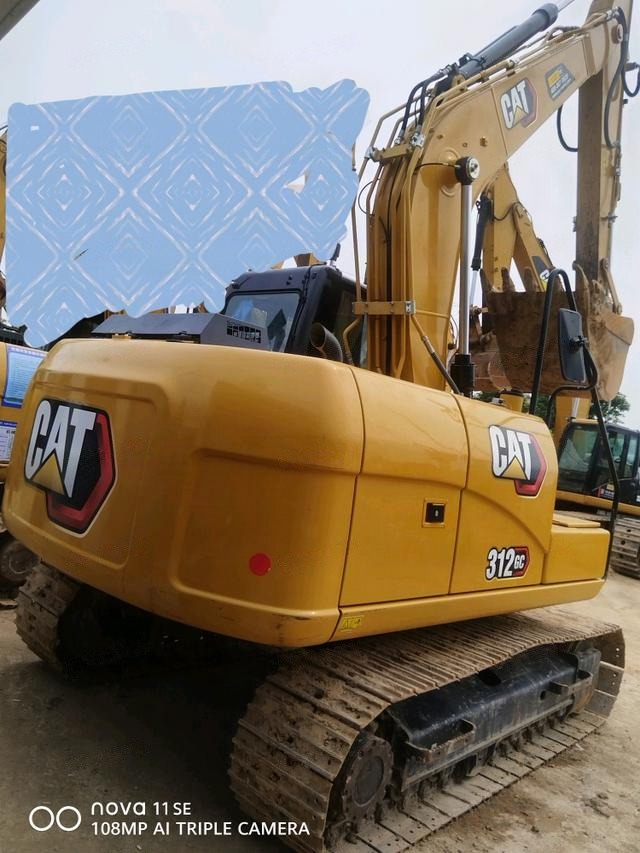
Caterpillar 312GC
- Year
- 2022
- Hours
- 1,100
- Tonnage
- 11.6 t
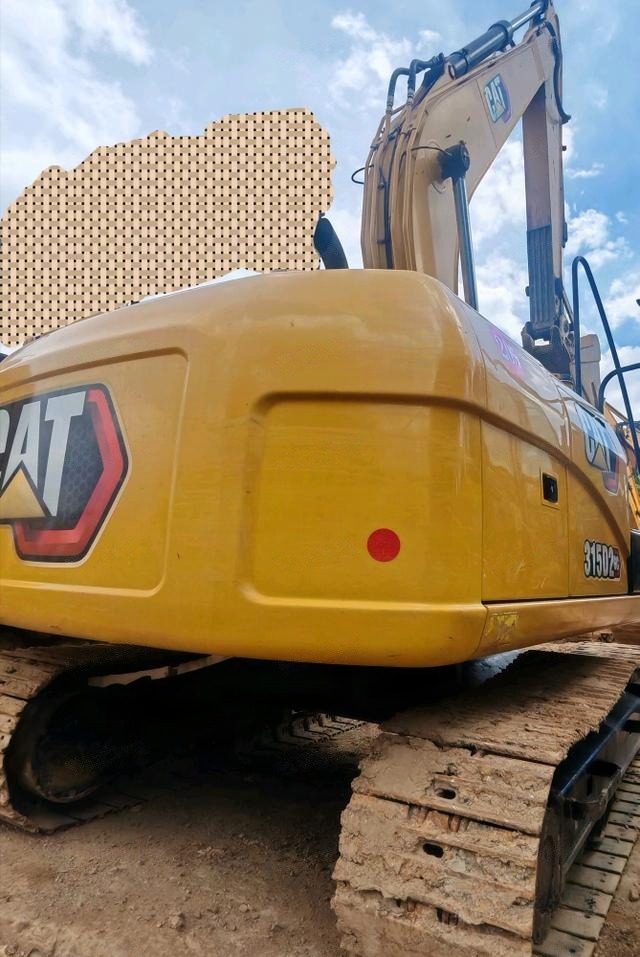
Caterpillar 313D2 GC
- Year
- 2020
- Hours
- 1,600
- Tonnage
- 12.5 t