MPI Biosecurity Cleaning: What It Means for Your Excavator
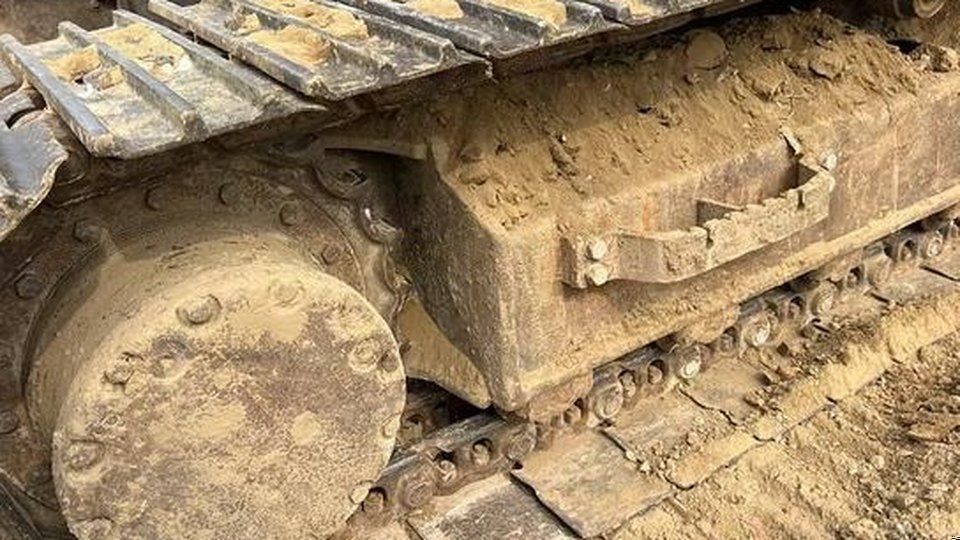
MPI requires every imported excavator to be clean of soil, seeds and pests before it lands in NZ. Here's the actual rule, in plain English.
What "cleaned and inspected before import" actually means
Every used excavator that crosses the border must be cleaned and inspected, no matter who imports it. That applies before our machines land in New Zealand, Australia or the Pacific Islands.
New Zealand's Ministry for Primary Industries, or MPI, has specific, strict rules for diggers and for what happens when one fails inspection.
The rule: excavators are named as "targeted machinery"
MPI's Import Health Standard for Vehicles, Machinery and Parts names excavators directly. Schedule 1 lists "used outdoor or targeted machinery," including "Tracked machines (bulldozers, excavators, tractors)" (IHS PDF, Schedule 1 Part 5).
An excavator counts as high biosecurity risk, like a crane or forklift, so the stricter rules apply. The lighter rules cover sealed gear that never goes outdoors.
The machine "must: a) be clean and free of biosecurity contaminants and regulated pests on arrival in New Zealand." That means no dirt, plant matter or bugs. MPI defines "clean" as free of everything that isn't part of the machine, and a "biosecurity contaminant" as any organic material that could carry a pest.
What counts as contamination, and how much is allowed
Schedule 2 of the IHS sets the limits for a machine when it lands.
| Contaminant | How much is allowed |
|---|---|
| Live insects, spiders, or other live animals | None, ever |
| Animal matter (blood, bone, feathers, meat) | None, ever |
| Standing or pooled water | None |
| Fresh, green plant material or flowers | None |
| Whole fruit or seeds | None |
| Small pieces of dead plant material (bark, leaves, twigs) | Up to 5 pieces |
| Pine needles | None |
| Soil, in clumps or loose | Up to 20 grams |
A light film of road dust doesn't count. Dead insects, mites or spiders are allowed. Live ones aren't.
What happens before a machine leaves
The cleaner must sign an MPI cleaning certificate recording the date, place and who did the work. MPI's steps to importing page says, "Used vehicles, machinery, and parts must be cleaned inside and out. A cleaning certificate must be submitted to MPI for the cleaning of used outdoor or targeted machinery."
A quick tidy-up won't do. MPI says, "Note: Valet cleaning will not remove all biosecurity risks."
There is no MPI-approved list of cleaning companies for excavators, unlike used cars. "Cleaning and certification can be completed by an individual instead of a professional cleaning company/service as long as the individual can remove all biosecurity contaminants and regulated pests." The cleaner is responsible for meeting the standard.
What happens at the border if it isn't clean enough
MPI checks every machine in this category on arrival. "If MPI inspectors cannot verify cleanliness on arrival, they may require that used vehicles or machinery are partially or fully dismantled."
If contamination turns up, "If contaminants are found, the vehicle, machinery, or parts may be cleaned by MPI or dealt with in an MPI-approved facility. If the contamination cannot be contained and removed, reshipment or destruction may occur. The importer is responsible for the cost of any action that is required to be taken on arrival."
If a digger fails, the importer pays. NZ Customs' own guidance confirms that goods can be sent back or destroyed at the importer's cost.
The brown marmorated stink bug season
Some machines need an extra step. MPI runs seasonal measures for the brown marmorated stink bug, or BMSB, a pest that hides in the gaps and holes found on used excavators.
MPI states, "The BMSB risk season begins on 1 September. The measures apply to target vehicles, machinery, and parts exported on or after this date, and which will arrive in New Zealand before or on 30 April." (MPI BMSB requirements)
A machine shipped from a listed risk country during those months needs treatment by an MPI-approved provider before it leaves. MPI requires treatment "before arrival," so it can't be fixed after landing.
What it actually costs
According to MPI's published inspection rate, "The fee is $155.50 ($178.83 including GST) per hour for biosecurity inspectors."
MPI bills cleaning, treatment or decontamination after arrival at the same hourly rate. Every import also has a biosecurity system entry levy. GST is 15% on the machine's value plus duty plus freight.
New Zealand isn't the only one
Australia's regulator, the Department of Agriculture, Fisheries and Forestry, or DAFF, says, "All used machinery is required to enter Australia free from biosecurity risk material... Heavily contaminated machinery may be directed for export from Australia at the owner or importer's expense." (DAFF cleanliness requirements)
Fiji's Biosecurity Authority has separate rules for earth-moving machinery and cars. Machines used on farms or unsealed sites carry more risk than passenger vehicles. Fiji's published requirements requires machines to be free of soil and organic material before export.
Paperwork and limits vary by country. The practical rule is to clean the machine properly before it travels, or pay to sort it later.
What this means if you're buying from us
Every machine we sell is cleaned and inspected before import, as required by MPI or the equivalent regulator in Australia and the Pacific. We then inspect and photograph it again, and a qualified engineer signs it off before it ships to you.
For condition, read how many hours is too many on a used excavator. What determines a used excavator's price covers cost.
Browse Caterpillar excavators and Hitachi excavators, or see everything currently listed.