How Excavators Are Shipped to Your Yard
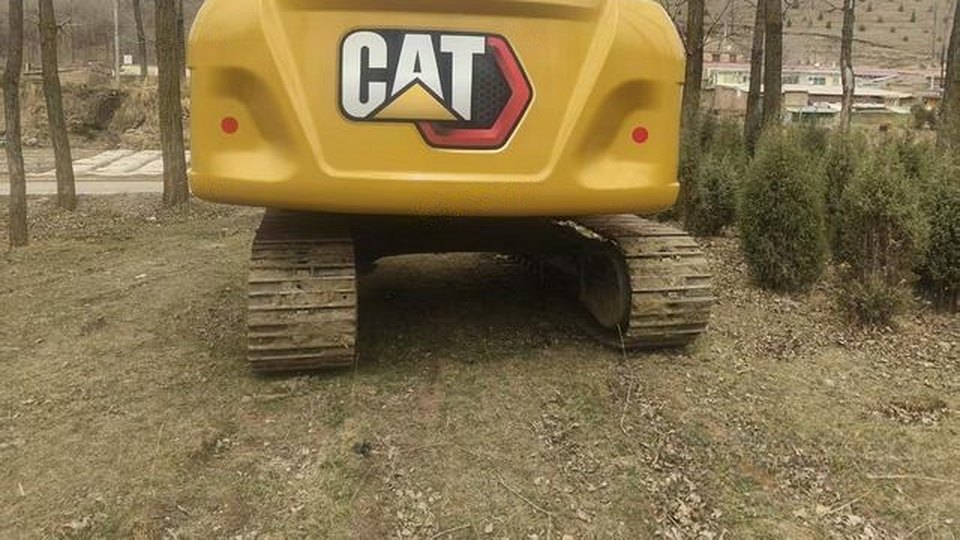
How a used excavator actually gets shipped: RoRo, flat rack or breakbulk, the paperwork it needs, and customs, to your yard in NZ or Australia.
How a used excavator gets from overseas to your yard
Most information on the process comes from freight forwarders and exporters selling the shipping (Sinotraffic). Keep that in mind when reading any guide, including ours.
The sequence is consistent. Choose a shipping method, sort the paperwork, clean the digger, clear customs and truck it home.
Choosing a shipping method
There are four ways to move an excavator by sea. Size and whether it can drive usually settle the choice.
| Method | What it is | When it's used for an excavator |
|---|---|---|
| RoRo (roll-on, roll-off) | Drives or is towed onto the ship, then off again at the other end | A complete machine that's still driveable |
| Container (20ft, 40ft or open-top) | Lifted into a standard steel box, or one with no fixed roof | A mini or compact excavator, boom folded down first |
| Flat rack | A container with no sides, so oversize cargo can hang past the edges | A machine too tall or wide for a standard container |
| Breakbulk | Craned aboard loose, not boxed at all | A machine too big for any container |
RoRo is the quickest, simplest choice for a machine that runs. RoRo carrier Höegh Autoliners says its ships "have ramps allowing easy loading and unloading of wheeled machinery," including excavators (Höegh Autoliners). A broken-down machine or one stripped for parts doesn't qualify.
A machine too big for any container travels breakbulk, craned aboard loose. A large excavator may ship in one piece or be split into its main body, boom, stick, counterweight and tracks (Sinotraffic).
Size and weight make the call. Our guide to excavator weight and specs explains how to work out what your machine weighs.
What happens before an excavator ships
A machine usually gets smaller and cleaner before shipping.
Freight forwarders such as Sinotraffic say the boom, arm and bucket are usually folded down to reduce its shipping size. This is freight-industry practice rather than a rule confirmed by a port authority or carrier spec sheet. Plenty of compact and mid-size excavators ship whole by container, RoRo, flat rack or breakbulk. Further dismantling happens only when the digger exceeds the method's size or weight limit.
Carriers also want a clean machine that won't contaminate the ship. Höegh Autoliners says a dirty machine "can pose environmental risks." Pressure washing helps stop the shipment being refused, while destination countries also require cleaning for biosecurity. Our guide to MPI biosecurity cleaning covers that check.
The paperwork that travels with the machine
Four main documents must describe the same machine in the same way.
| Document | What it does |
|---|---|
| Commercial invoice | States who's selling, who's buying and what it cost |
| Packing list | Itemises what's actually in the shipment |
| Bill of lading | Your contract with the carrier. You generally need the original to take the machine off the ship |
| Certificate of origin | Can get the shipment a lower duty rate at the other end, per NZ Customs' tariff |
Every detail must match across all four. Sinotraffic says a used machine often needs proof of its year, serial number, engine details and inspection record as well.
Clearing customs at the other end
New Zealand and Australia follow the same basic process. Lodge a formal declaration, pay the assessed duties and taxes, then the machine is released.
NZ Customs requires an import entry and payment of duties and GST before clearance (NZ Customs). A customs broker or freight forwarder can prepare it. The Australian Border Force recommends a broker if you import for the first time or only occasionally (ABF).
Using a broker can keep things moving. Sinotraffic says a landed machine stays at the terminal and racks up storage charges until it clears.
Duty and GST rates vary by country, so we keep the figures on the relevant page. See the rates for New Zealand; Australia and the Pacific Islands have different rates.
The last leg: port to your yard
Once the machine clears customs, it goes by road to your yard.
For an oversize load, the route and permits must be confirmed before pickup. In New Zealand, Waka Kotahi NZTA requires an overdimension permit for a load outside standard limits (NZTA). A heavier load also needs a separate overweight permit.
Published detail on this leg is thin because each delivery is arranged case by case.
How it works when you buy from us
We inspect and photograph every machine before shipping, and a qualified engineer signs it off. We confirm it's available before you pay. It is cleaned and inspected again before being allowed into the country.
A 10% deposit holds your machine. The remaining 90% is due when it arrives. Allow about 6 to 8 weeks from deposit to delivery at your door.
Our team has 15 years of international trade experience and handles sourcing, freight and customs for every machine we sell.
Shipping is only part of a used excavator's cost. Our guide to used excavator prices covers what else changes the price.
See the excavators in stock
Browse excavatorsMachines that fit
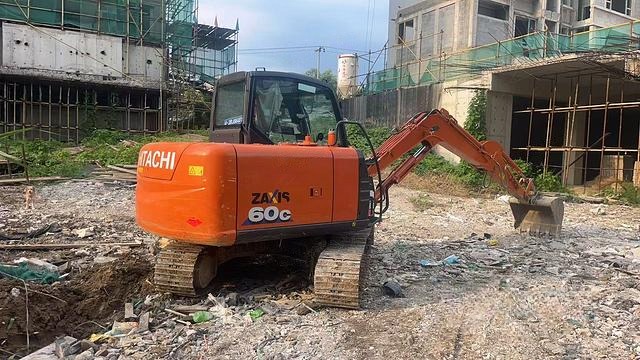
Hitachi ZX60C-6A
- Year
- 2025
- Hours
- 600
- Tonnage
- 5.4 t
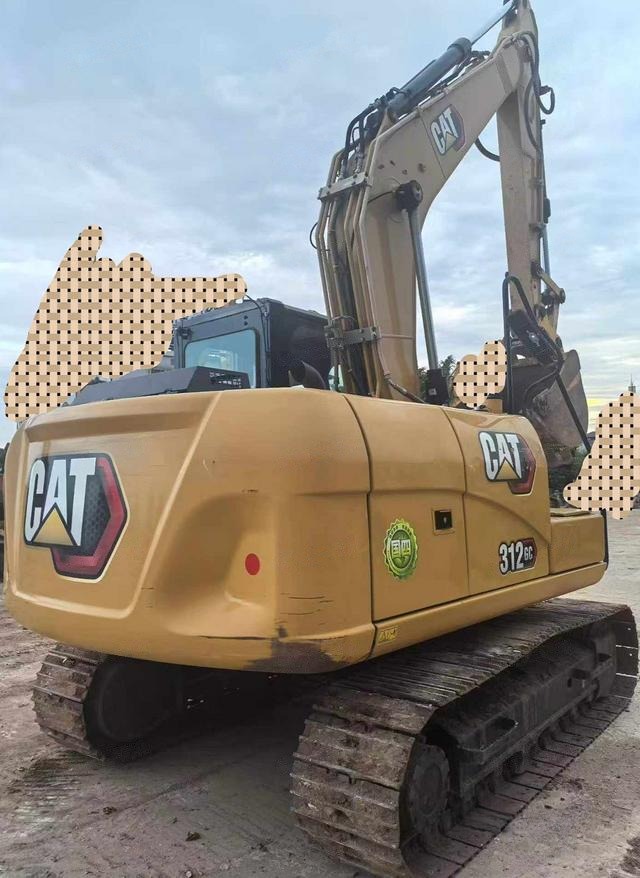
Caterpillar 312GC
- Year
- 2024
- Hours
- 730
- Tonnage
- 11.6 t
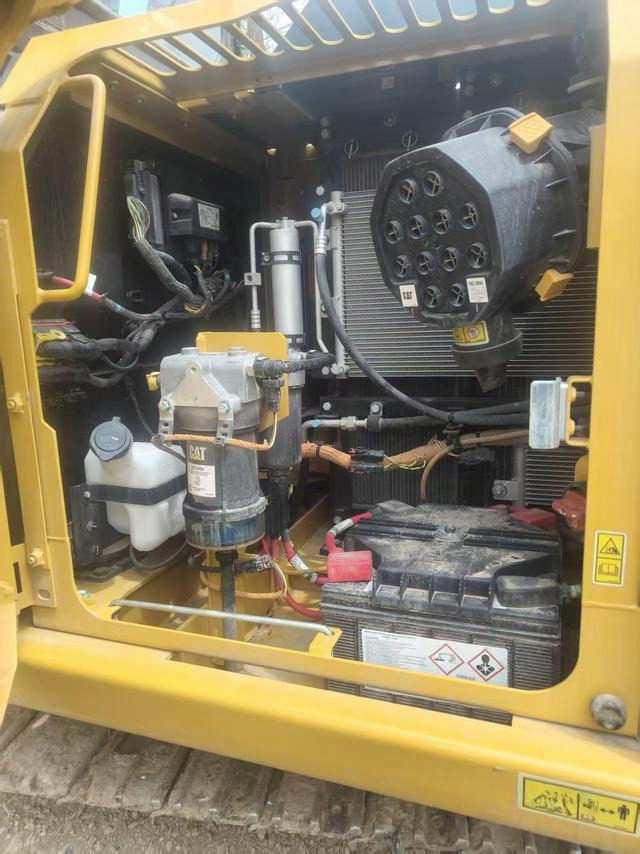
Caterpillar 313GC
- Year
- 2025
- Hours
- 756
- Tonnage
- 13.8 t
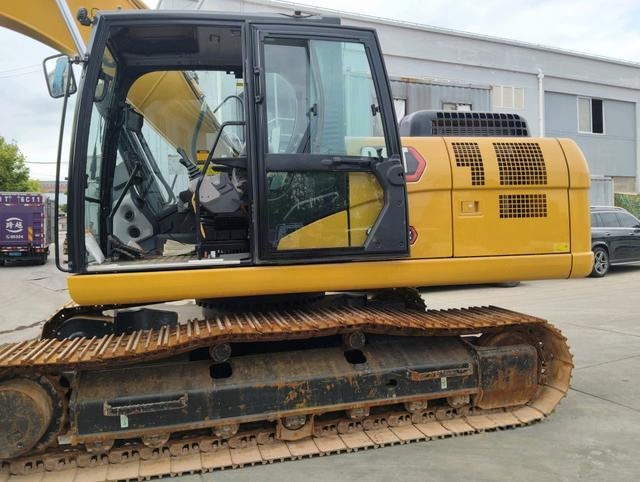
Caterpillar 323GX
- Year
- 2024
- Hours
- 795
- Tonnage
- 21.4 t
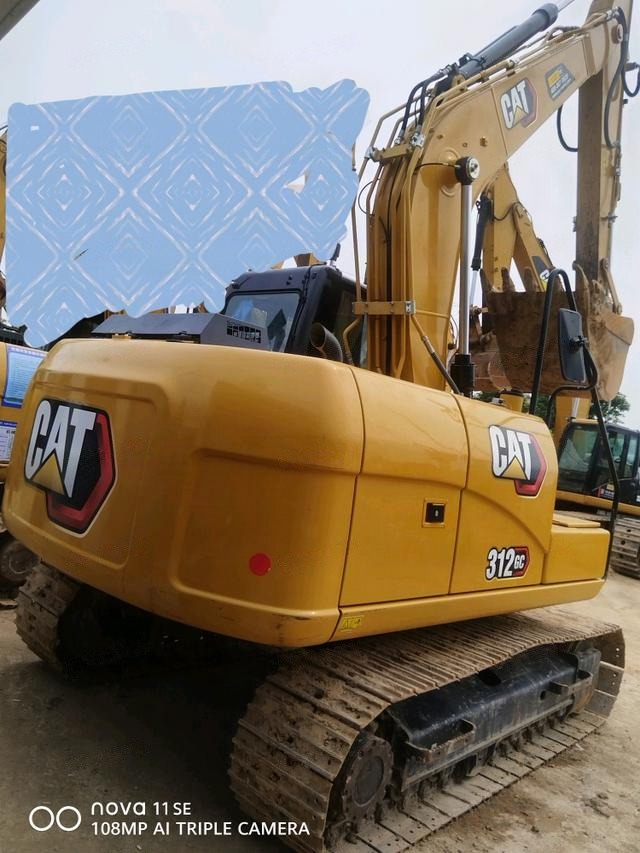
Caterpillar 312GC
- Year
- 2022
- Hours
- 1,100
- Tonnage
- 11.6 t
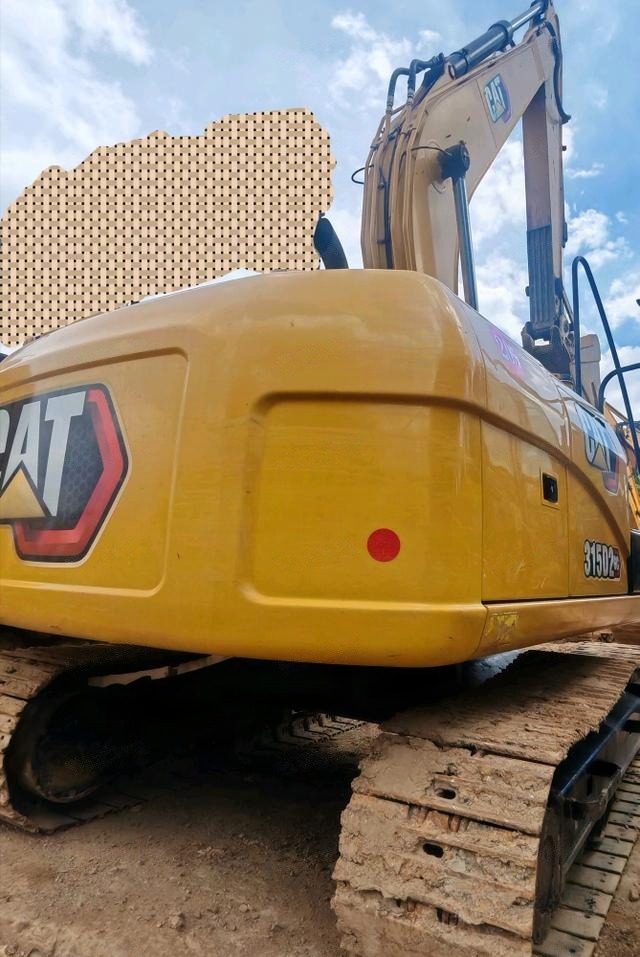
Caterpillar 313D2 GC
- Year
- 2020
- Hours
- 1,600
- Tonnage
- 12.5 t