Undercarriage Wear on a Used Excavator: What to Check
How to check undercarriage wear on a used excavator, what to ask the seller, and what a replacement track set costs in NZ.
An excavator's undercarriage is everything below the cab: the tracks, the chain that carries them, and the wheels that drive and guide it. Volvo Construction Equipment calls it "the most expensive part of an excavator", and the hours don't tell you how worn it is, so judge it on measured wear and a walk-round.
Why does the undercarriage matter when you buy?
It wears with the ground and with how far the machine has travelled, so it runs on its own schedule, and since Volvo calls it the most expensive part, the price you pay should reflect how much life is left in it.
What are the parts, and how does each one wear?
| Part | What it does | What worn looks like |
|---|---|---|
| Track shoes | The plates on the ground | Loose or damaged bolts |
| Links, pins and bushings | The chain the shoes bolt to | Cracks, flaking metal, side wear, worn pin ends |
| Sprockets | Drive the chain | Sharp or hooked teeth |
| Bottom and top rollers | Carry the machine and support the chain | Oil at the ends, flat spots, a roller that won't turn |
| Idler | Guides the chain at the front | Side play when you push it |
Volvo says to check the links for "cracks, spalling, side wear and wear on the pin boss". Gregory Poole, a Cat dealer, says rounded sprocket teeth suggest balanced wear, while sharp or hooked teeth suggest later stages of life. Heavy Vehicle Inspection, a fleet software company, says oil stains at roller ends mean a failed seal, and flat spots or seized rollers need replacing.
Shoes are the part you can see. Links, pins and bushings wear from the inside, so fresh shoes don't prove the chain is good.
What can you check without tools?
Walk both sides and compare them, because one side more worn than the other is worth a question.
- Look at the sprocket teeth, the links and the shoe bolts.
- Look for oil weeping around the rollers and idlers.
- Check the tension. Komatsu says tracks that are too loose or too tight increase wear. Volvo says to count the links, in case one was removed "in an effort to tighten the undercarriage."
- Ask for the machine clean.
Fluids and service records sit in our servicing guide.
What should you listen for on a drive test?
Drive it forward and back while you listen and watch the chain. West-Trak, a New Zealand undercarriage supplier, says chains slipping or jumping on the sprockets can mean the sprockets are very worn, and that worn roller flanges let the chain wander out to the side, so write down any wander or a roller that stays still.
How is wear measured, and what should you ask for?
A technician measures it. Depth gauges read link height, calipers read bushings and pitch is measured over several links. Komatsu Australia uses ultrasound, which it says takes about 30 minutes and produces a report. It offers that to its own customers, so a buyer can't book it on any machine.
A reading only means something against the maker's chart. Volvo says you need conversion charts for each brand to turn a measurement into percent worn. So "60 per cent" means little without the chart and the readings behind it.
Ask the seller for:
- A measured report from a technician, not a photo of a tape measure.
- The wear chart for that make and model.
- The date of any track work.
If you can't see the machine in person, ask the seller for clear photos of each part in this guide.
Why don't hours tell you the wear?
Travel time does the damage. Kobelco's technical manager Mick Skinner says tracking is normally 6 to 8 percent of total hours. A machine tracking 18 percent of the time has walked almost three times the normal distance. Komatsu adds that tracks last longer moving forward, so a lot of reversing wears them faster. Our guide to how many hours is too many covers the meter itself.
What does a worn undercarriage cost to fix?
At the time of writing, one NZ supplier lists complete steel track sets, ex GST, parts only:
| Machine size | Track set (NZ$ ex GST) |
|---|---|
| 3 to 5 tonne | 7,400 |
| 6 tonne | 9,200 |
| 12 tonne | 12,000 |
These are Excavator Parts & Machinery Sales Ltd's list prices, not an average, and they leave out the labour to fit them. The list gives 3 to 5, 6 and 12 tonne prices, which you can compare against our 4 to 10 tonne and 12 to 15 tonne excavators.
For a second view, Industry Search Australia says $10,000 to $25,000 for a full set on a 15 to 25 tonne machine. It's an Australian site and doesn't state the currency, where the range comes from, or whether labour is in it.
How do you turn wear into a price?
If a set is due, take the parts and fitting off what you'd pay. Say, hypothetically, a 12 tonne machine is asking NZ$50,000 ex GST and needs tracks. The set is NZ$12,000 ex GST in parts alone, before fitting, so you'd offer well under NZ$38,000 once fitting is added. A machine that needs tracks can still be a fair buy at the right price. The other price drivers are in our guide to what determines the cost of a used excavator.
What we do
Every machine on our site is under 6,000 hours, and most sit between 2,000 and 5,000. Each is cleaned and inspected before import, as our biosecurity cleaning guide explains, then signed off by a qualified engineer, and it's inspected and photographed again before it ships, so you can see the machines on our site.
See the excavators in stock
Browse excavatorsMachines that fit
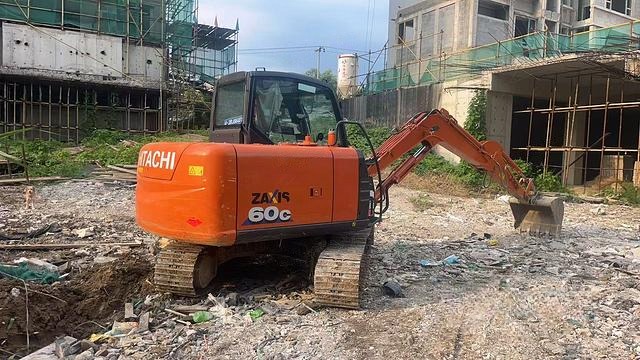
Hitachi ZX60C-6A
- Year
- 2025
- Hours
- 600
- Tonnage
- 5.4 t
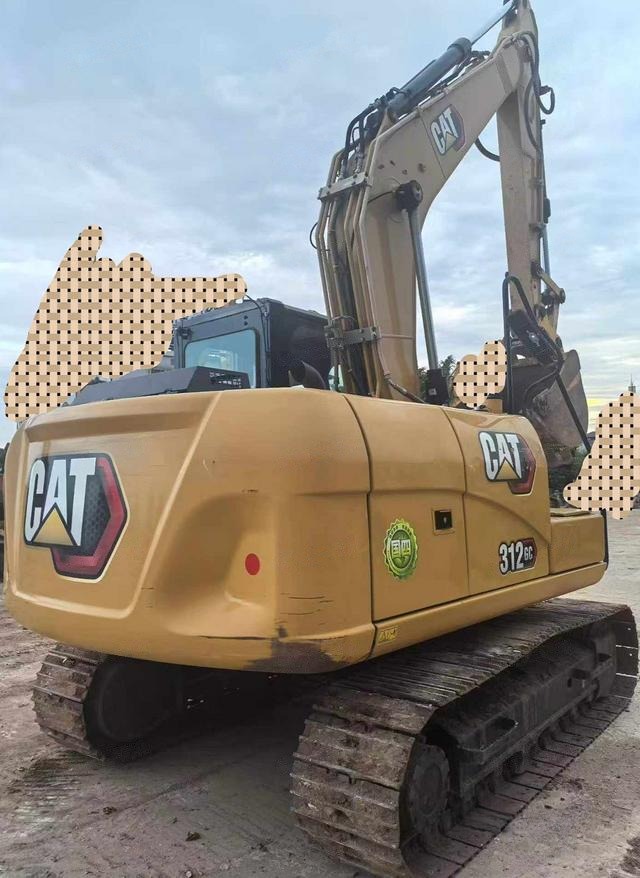
Caterpillar 312GC
- Year
- 2024
- Hours
- 730
- Tonnage
- 11.6 t
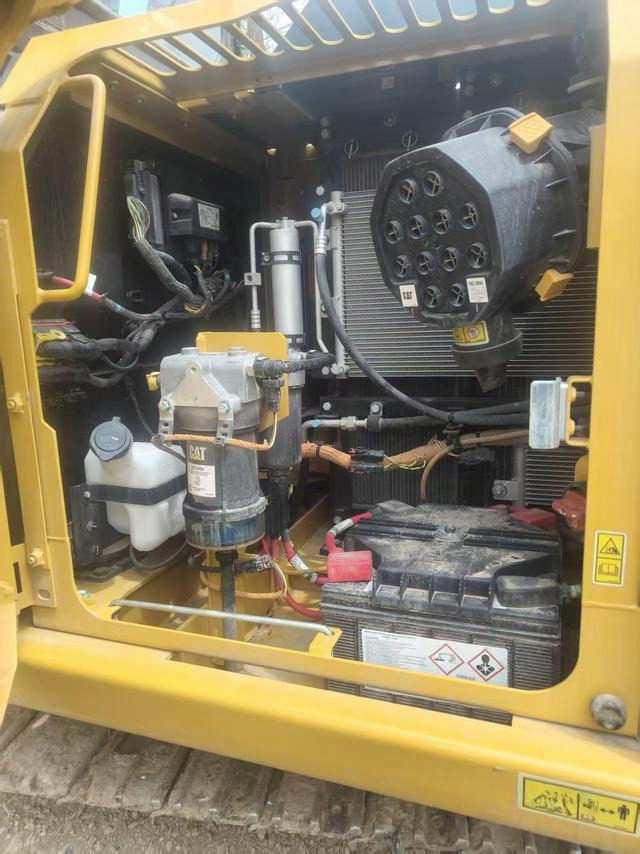
Caterpillar 313GC
- Year
- 2025
- Hours
- 756
- Tonnage
- 13.8 t
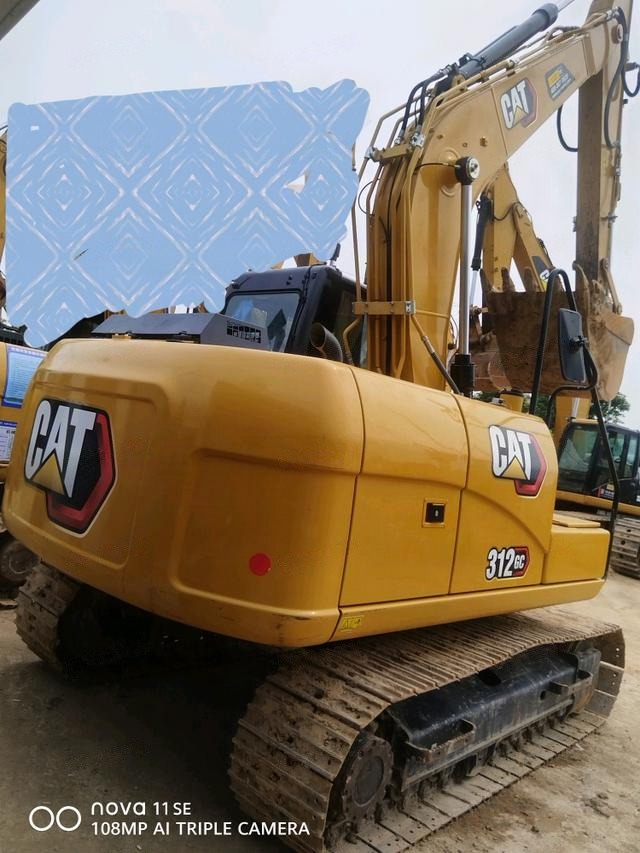
Caterpillar 312GC
- Year
- 2022
- Hours
- 1,100
- Tonnage
- 11.6 t
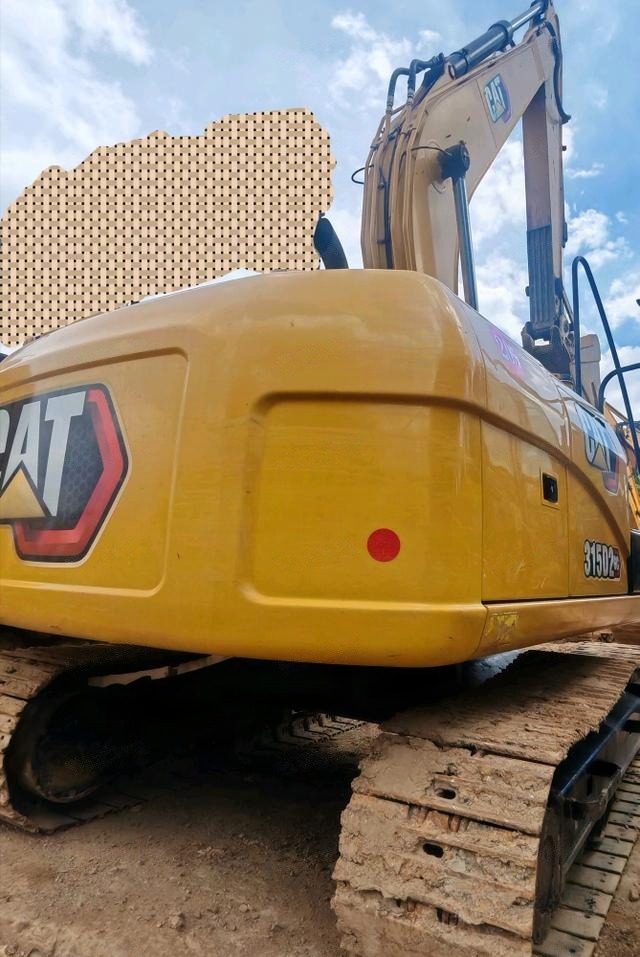
Caterpillar 313D2 GC
- Year
- 2020
- Hours
- 1,600
- Tonnage
- 12.5 t
Caterpillar 307
- Year
- 2023
- Hours
- 2,800
- Tonnage
- 8.12 t
Frequently asked questions
How long does an excavator undercarriage last?
There's no fixed number. Ground matters most. Industry Search Australia gives 3,000 to 5,000 hours on standard ground, and says a 20 tonne machine on abrasive sandstone can wear through its track pads in 2,000. It doesn't name a source for those figures, so treat them as a rough guide.