Servicing a Used Excavator: What to Check Before You Buy
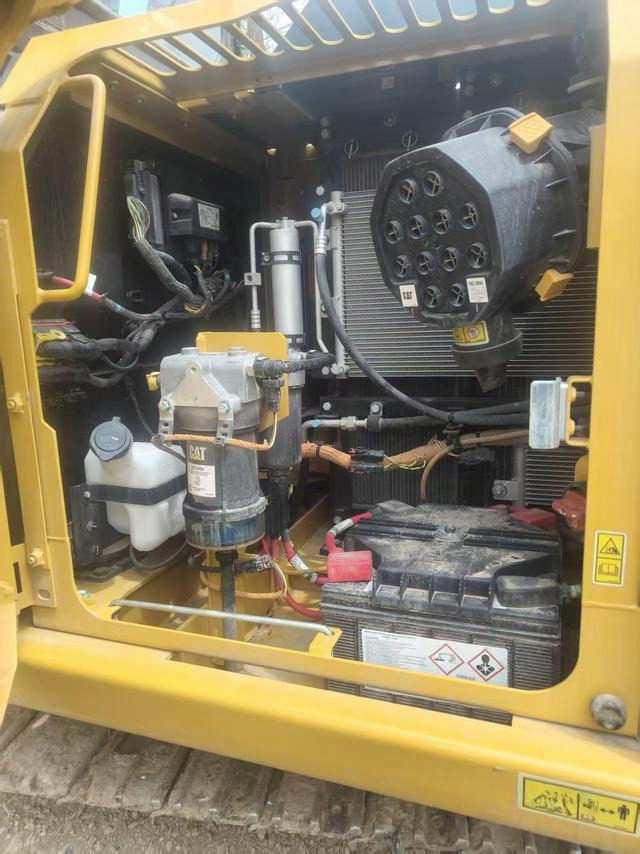
Check a used excavator before you buy: service records, oil samples, engine, hydraulics, slew ring, pins and electrics, and how to check from a distance.
A service trail is the record of how an excavator was looked after. Read it first, then check the machine matches it. This is a buyer's guide, not a workshop listing.
What should you check first?
The paperwork. Yes Approved advises looking for "consistent servicing rather than isolated invoices."
Then check the serial number on the machine matches the documents. BAS World says missing documents don't automatically mean the excavator is in poor condition, but you should inspect it more critically.
Our guide to excavator hours covers service intervals and hour-meter accuracy.
If you're buying from a private seller in New Zealand or Australia, check nothing is owed on the machine. The NZ Companies Office puts it this way:
That check is a PPSR search. The Australian Government PPSR site shows why. A bank registration can mean the machine is repossessed later, so don't rely on a seller saying the finance is cleared.
Is an oil sample worth taking?
Yes, when the seller allows it. Volvo Construction Equipment says to get an oil sample and check for metal contamination. A lab can see tiny amounts of wear metal that no one can see by eye.
Makana says coolant in the oil is a serious warning sign, often a head gasket, cracked liner or seal problem. Silicon points to dirt getting in through the intake.
One sample is a snapshot. Makana notes that a high copper reading might only mean new bushings went in, and that a run of samples tells a bigger story. If it's a private sale, ask whether the seller has past results.
What do you check on the machine?
Do the checks that need no tools first.
The engine
Start it cold if you can, because BAS World says a warm engine can hide starting problems. A brief puff of smoke on start-up can be normal, but continuous smoke is a warning sign. Blue smoke can mean oil consumption. Black smoke can mean poor combustion or dirty filters.
Farm Trader says excavator engines run at steady revs and often last well, still in good order when everything else is "starting to fall apart". A healthy engine doesn't clear the rest of the machine.
Hydraulics
Hydraulics can be the costly part. Look for oil around cylinder seals, hoses and fittings. The chrome rods should be smooth, since rust or scratches damage the seals.
Be careful with a machine that looks too clean. Machinery Trader warns that dishonest sellers hide leaks and that excessively clean areas might be a bad sign. A spotless engine bay on a high-hour machine deserves a second look.
Work the controls until the oil is warm. BAS World says to check the machine still runs smoothly once it has warmed up. Makana says a pump that loses pressure under sustained work is a common failure point on higher-hour machines, past 5,000 hours.
The slew ring
The slew ring, or swing bearing, is the big bearing that lets the cab turn on the tracks. Rotate the house slowly and feel for roughness. Then start and stop the swing sharply and watch for knocks or play. Look for oil leaking around the ring or centre joint.
BAS World says play or shocks in the slew ring can be expensive to repair. The play limit is set in the model's workshop manual, so there's no single number to print here.
Pins and bushes
Push the bucket and stick by hand, or have someone work them, and look for slop at the joints. Farm Trader says pins should be tight and well greased. BAS World says fresh grease can hide wear and oval pin holes are a bad sign. Replacing worn pins and bushes can cost more than it looks.
Electrics and cab
Turn the key. Warning lights should come on, then clear. Yes Approved says to check for active warnings, error codes and unreadable screens. BAS World says to watch for error messages that return straight after a restart, and to use a diagnostic tool if you're unsure.
The seat, pedals and joysticks should wear at the same rate as the hour meter. Check the roll-over structure hasn't been drilled or welded, which Volvo CE treats as compromised.
Tracks, rollers and sprockets have their own guide: undercarriage wear, what to check.
How do you check when you can't be there?
Most checklists assume you're standing next to the machine. Plenty of buyers aren't. Ask a private seller for these, and treat a refusal as information:
- A photo of the serial plate, matched to the paperwork
- A photo of the hour meter
- An unedited video of a cold start, then the machine running
- Close-up video of the slew swing and the bucket and stick joints
- Any oil sample results and service records
Machinery Trader says a video can stand in for a visit. The catch is that it must show "the machine is fully operational without any apparent editing."
Then hire someone local to see it in person. Volvo CE says there's "no industry standard for how inspections, documentation or condition reports are done." A report is only as good as who wrote it, so ask what they checked and ask for photos.
Walk away, negotiate or fix?
Not every finding is equal. This ranking by consequence is our judgement, not an industry standard. No reliable public cost figures were available, so none are printed here.
| Call | Examples |
|---|---|
| Walk away unless explained or cleared by an inspector | Coolant in the oil. Slew ring play or knocking. A pump losing pressure warm. Codes that return straight after clearing. A serial number that doesn't match the papers. Money owing on the machine. A private seller who won't let anyone inspect it. |
| Negotiate | Worn pins and bushes. Weeping seals. No service records. An hour meter that doesn't match the wear. |
| Fix and move on | A single hose, a battery, filters. BAS World says replacing one hose is not necessarily a major problem. |
Condition findings also move the price. See what determines the cost of a used excavator.
What we do
Every machine on our site is under 6,000 hours. It's cleaned and inspected before import, and signed off by a qualified engineer. It's inspected and photographed again before it ships to you. Browse our 12 to 15 tonne excavators or see what's on our site now.
Related: our biosecurity cleaning guide and how excavators are shipped to your yard.
See the excavators in stock
Browse excavatorsMachines that fit
Caterpillar 313GC
- Year
- 2025
- Hours
- 756
- Tonnage
- 13.8 t
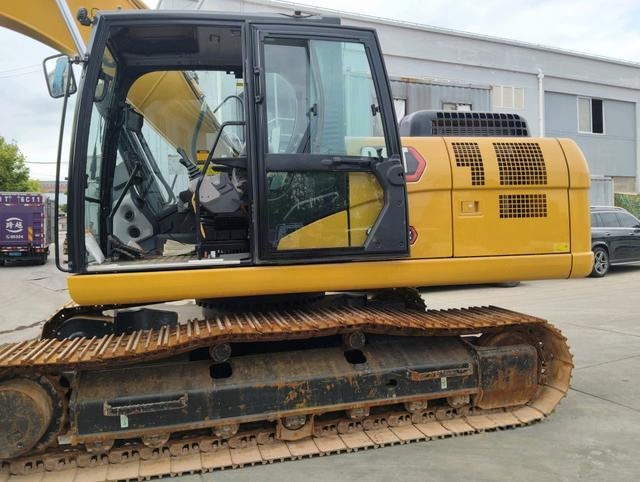
Caterpillar 323GX
- Year
- 2024
- Hours
- 795
- Tonnage
- 21.4 t
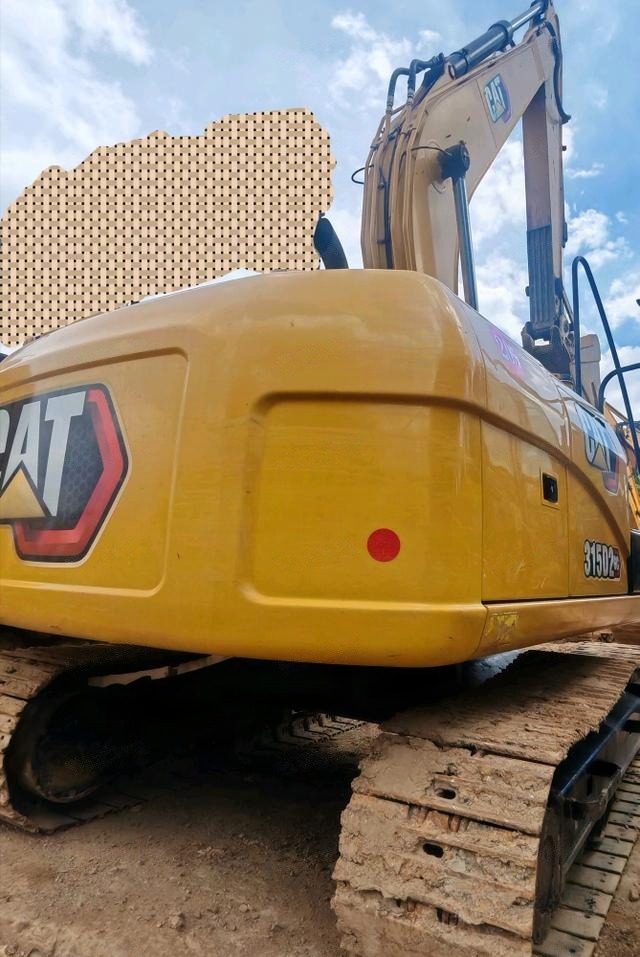
Caterpillar 313D2 GC
- Year
- 2020
- Hours
- 1,600
- Tonnage
- 12.5 t
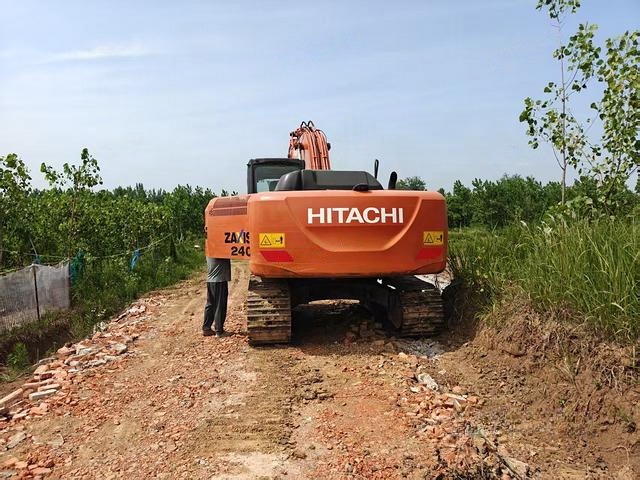
Hitachi ZX200-5A
- Year
- 2022
- Hours
- 1,700
- Tonnage
- 19.7 t
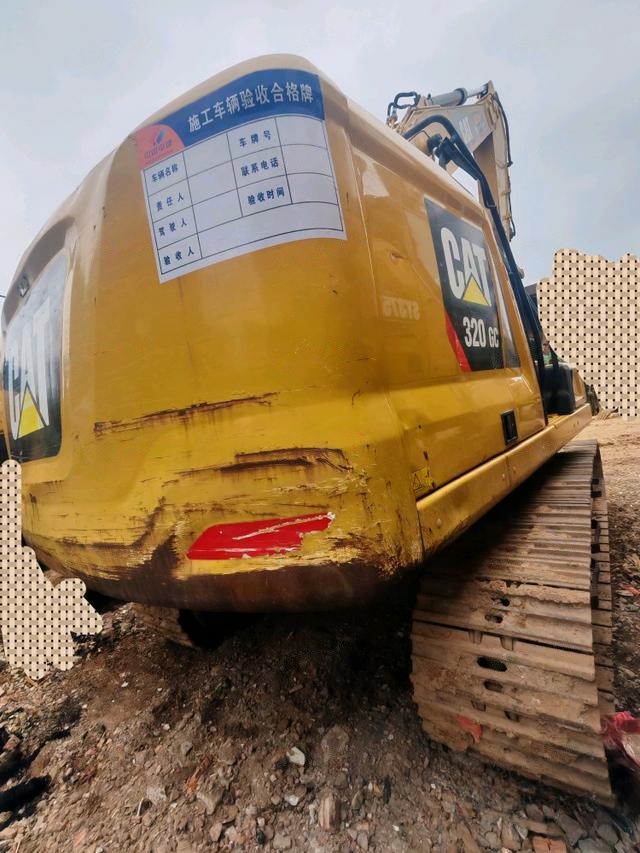
Caterpillar 320GC
- Year
- 2019
- Hours
- 2,350
- Tonnage
- 22 t
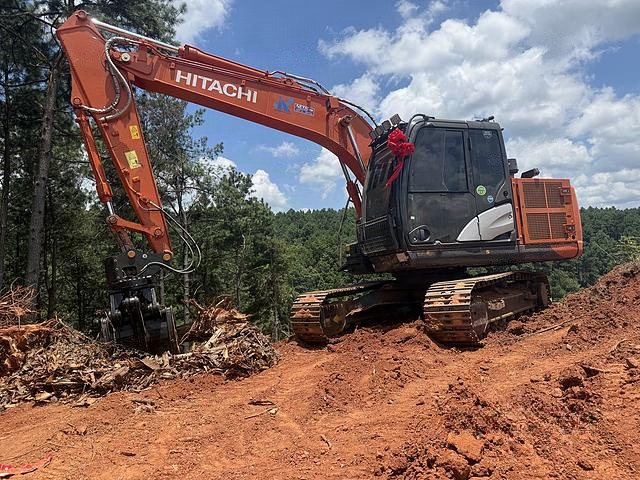
Hitachi ZX120
- Year
- 2019
- Hours
- 3,000
- Tonnage
- 12.5 t
Frequently asked questions
Should I get a professional inspection before buying a used excavator?
Yes, if you can't judge the machine yourself. Machinery Trader recommends an independent third-party inspector or a knowledgeable technician. Yes Approved says an independent inspection can cost far less than finding a major hydraulic, engine or undercarriage problem after settlement.