Digging Depth Explained: How Deep Can an Excavator Dig?
How deep can an excavator dig? Dig depth by size, why straight-wall depth is less, and the 1.5 m trench-safety line in NZ and Australia.
A spec sheet's dig depth is the most the bucket can reach below ground. It isn't the depth you can dig with straight sides, and it isn't the depth you can safely stand in.
How deep can an excavator dig?
Published dig depth runs from about 3.5 m on the smallest machines on our site to about 8 m on the biggest. Depth rises with weight, then flattens. The table shows the maker's figure for the machines on our site right now.
| Size band | Operating weight | Dig depth |
|---|---|---|
| Under 6 t | 5.4 to 5.78 t | 3.55 to 3.82 m |
| 6 to 10 t | 6.7 to 8.12 t | 4.02 to 4.64 m |
| 10 to 20 t | 11.6 to 19.7 t | 5.08 to 6.67 m |
| 20 to 30 t | 20.7 to 25.7 t | 6.70 to 7.00 m |
| Over 30 t | 39.7 t | 8.15 m |
Going from 20 t to 40 t buys about 1.4 m of depth. Machines of similar weight land close together: three machines of about 13 tonnes on our site, from three makers, sit between 5.50 and 5.57 m. These are the maker's figures for the model, not measurements of one machine, so ask for the working-range sheet for the exact model.
What do max depth, vertical wall depth and dump height mean?
They're different numbers on the same sheet. Here's the Caterpillar 320 GC, a medium excavator, from Cat's product page:
| Spec label | Value |
|---|---|
| Maximum digging depth | 6,720 mm |
| Maximum depth cut for 2,440 mm (8 ft) level bottom | 6,550 mm |
| Maximum vertical wall digging depth | 5,690 mm |
| Maximum loading height (dump height) | 6,490 mm |
Max depth is the deepest point the bucket tip reaches. The level-bottom figure is the deepest cut that still leaves a flat floor, measured for a 2.44 m (8 ft) level bottom. Vertical wall depth is the deepest cut with straight sides. Dump height is how high the bucket can tip, which decides whether you can load a truck.
The makers don't agree on names. Hitachi calls it "max. dumping height" on its spec sheet for the ZX890LC-7H, and lists depth, level-bottom depth and vertical wall depth as separate lettered points on the same diagram. Cat's mini sheets say "maximum dump clearance". Horizontal reach is a fifth number with its own guide: bucket capacity and reach explained.
Straight-sided cut depth
Across the three Cat sheets below, vertical wall depth is about 68 to 85% of max depth. The minis lose more than the medium machine. We haven't put vertical wall figures on our machines, because the model's own sheet has them.
| Caterpillar model | Vertical wall as a share of max depth |
|---|---|
| 305 CR (mini) | 68 to 70% |
| 308 CR (mini) | 73% |
| 320 GC (medium) | 85% |
Why isn't the spec-sheet depth your working depth?
The stick changes the number. The Caterpillar 305 CR lists 3,670 mm with the long stick and 3,420 mm with the standard one. Indian dealer directory Desi Machines says the figure assumes a level machine and soil that holds its shape, which is why it calls the spec-sheet number "a ceiling rather than a promise". That's one directory's view, but it matches the sheets above. Attachments change working depth too, as covered in excavator attachments explained.
Depth for common jobs
Official NZ material gives two figures for common household jobs:
- Water supply pipe: Level.org.nz gives cover over the pipe of 300 mm under lawns and gardens, and 600 mm under residential driveways. The trench itself is deeper than the cover.
- Septic land-application trenches: the Bay of Plenty Regional Council says trench bases sit between 300 mm and 550 mm. That's one council's guideline, and others vary.
Depths for other jobs are for your drainlayer, engineer or council to set.
Even the smallest machine here out-digs these jobs. Depth starts to matter for basements, deep drains and sewer connections, which are also the jobs where the safety rules apply.
The 1.5 m trench-safety line
Every machine in the table above digs deeper than 1.5 m, so it's worth knowing what happens at that line. This is a summary, not advice. Read the regulator's page and ask a competent person.
New Zealand. WorkSafe NZ's excavation safety guideline says any excavated face more than 1.5 m high must be shored, so far as is reasonably practicable, unless it's cut back to a safe slope or the ground is proven good. Work in an excavation over 1.5 m deep, and deeper than it is wide at the top, has to be notified to WorkSafe 24 hours ahead. The guideline dates from 2017 and WorkSafe says it hasn't been updated for the Health and Safety at Work Act 2015, so check the current page. Its key point is "Do not assume ground will stand unsupported."
Australia. Safe Work Australia's model code of practice says a trench at least 1.5 m deep needs its sides supported by shoring, benching or battering, and that walls should not be cut steeper than 45 degrees unless a competent person designs it. Each state and territory regulator has the final say.
WorkSafe also says to avoid underground services when you dig. You can locate them free through beforeUdig in NZ or Before You Dig Australia.
Choosing a size
For sizing by job and site access, see what size excavator do I need. For the weight side of the spec sheet, see excavator weight and specs explained. Under 10 tonnes, browse our 4 to 10 tonne excavators. Around 12 to 15 tonnes, see our 12 to 15 tonne excavators.
How we check our machines
Every machine on our site is under 6,000 hours. Each one is cleaned and inspected before import and signed off by a qualified engineer. It's inspected and photographed again before shipping. See what's on our site right now.
See the excavators in stock
Browse excavatorsMachines that fit
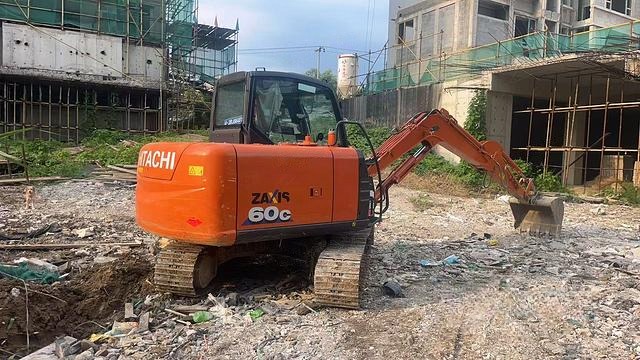
Hitachi ZX60C-6A
- Year
- 2025
- Hours
- 600
- Tonnage
- 5.4 t
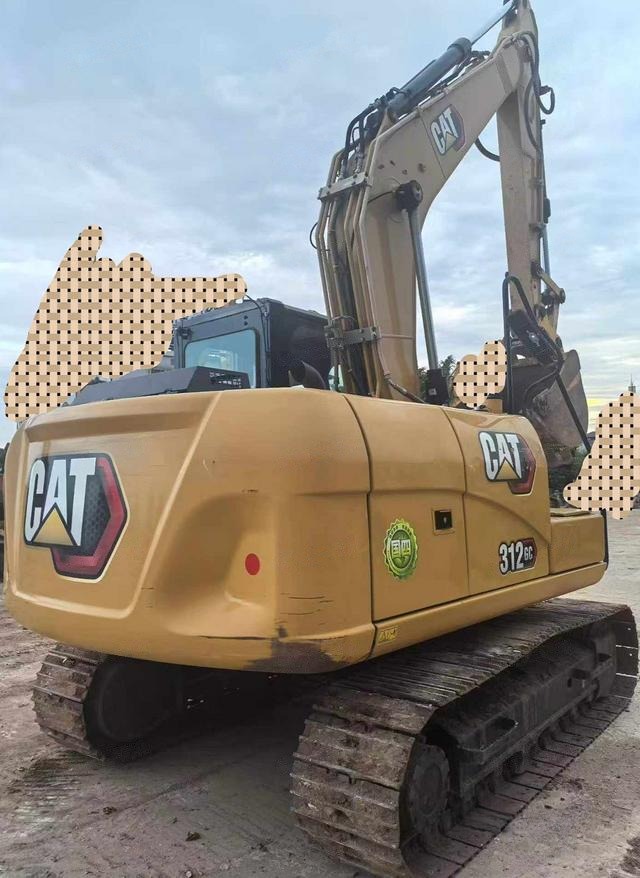
Caterpillar 312GC
- Year
- 2024
- Hours
- 730
- Tonnage
- 11.6 t
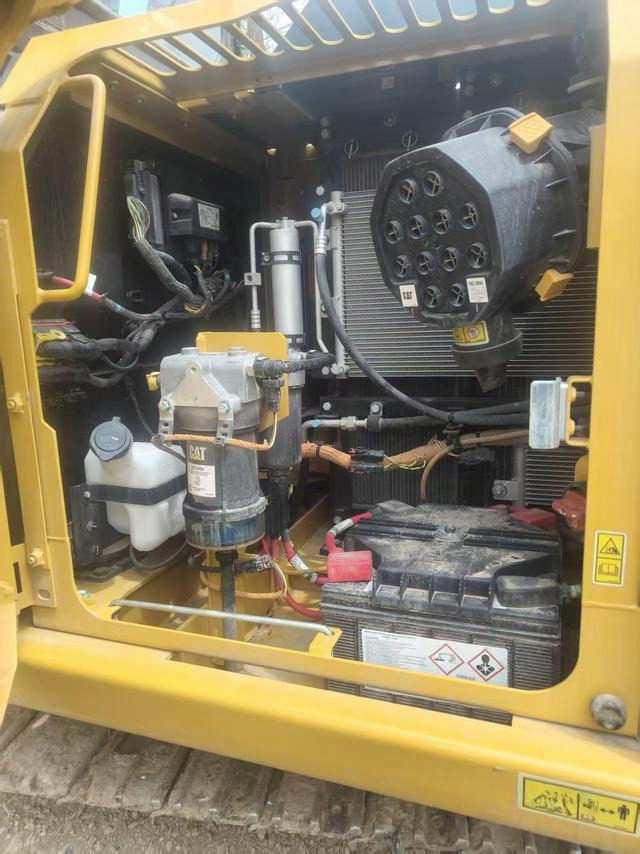
Caterpillar 313GC
- Year
- 2025
- Hours
- 756
- Tonnage
- 13.8 t
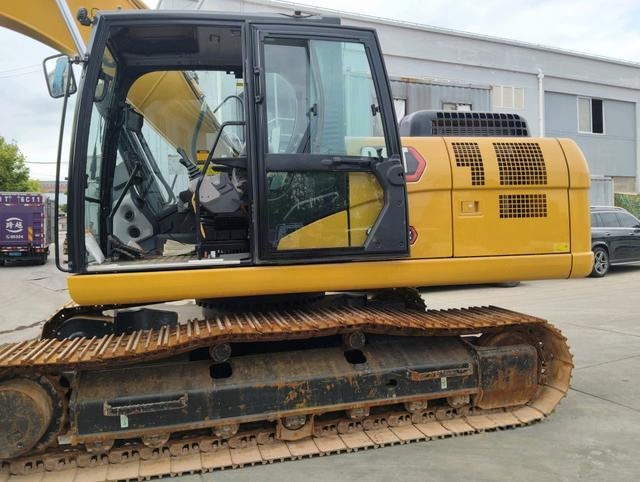
Caterpillar 323GX
- Year
- 2024
- Hours
- 795
- Tonnage
- 21.4 t
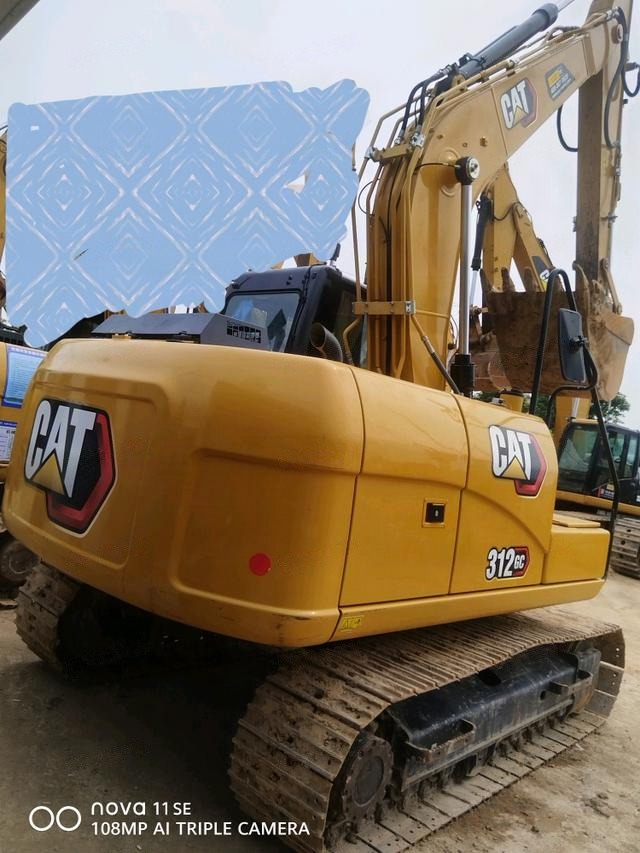
Caterpillar 312GC
- Year
- 2022
- Hours
- 1,100
- Tonnage
- 11.6 t
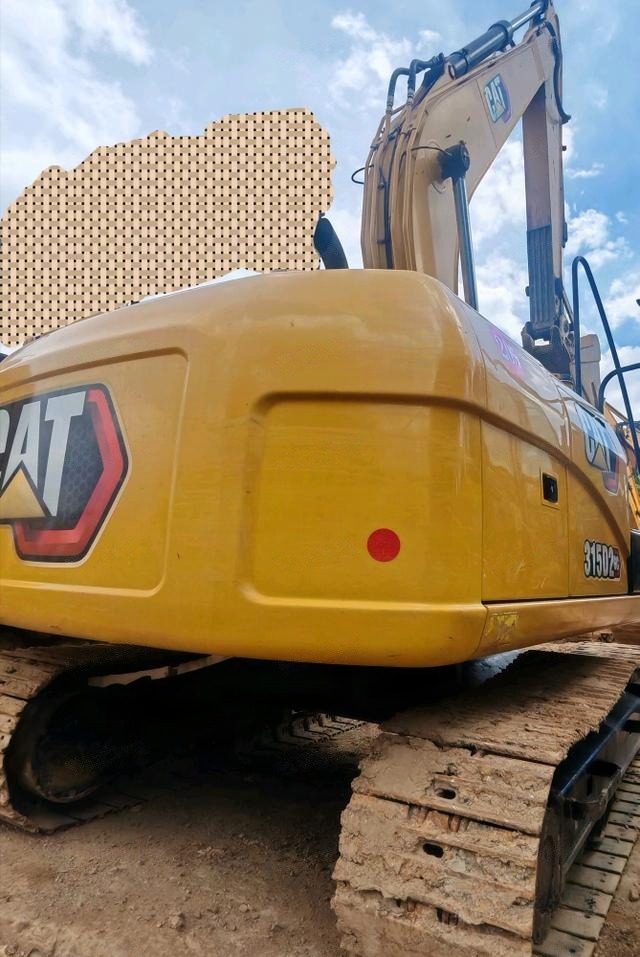
Caterpillar 313D2 GC
- Year
- 2020
- Hours
- 1,600
- Tonnage
- 12.5 t
Frequently asked questions
How deep can a 20 tonne excavator dig?
About 6.7 to 7 metres. The 20 to 30 tonne machines on our site right now list 6.70 to 7.00 m, and the Caterpillar 320 GC, a 22 tonne machine, lists 6.72 m. That's the maximum. A straight-sided cut goes less deep.