Excavator Fuel Consumption and Running Costs
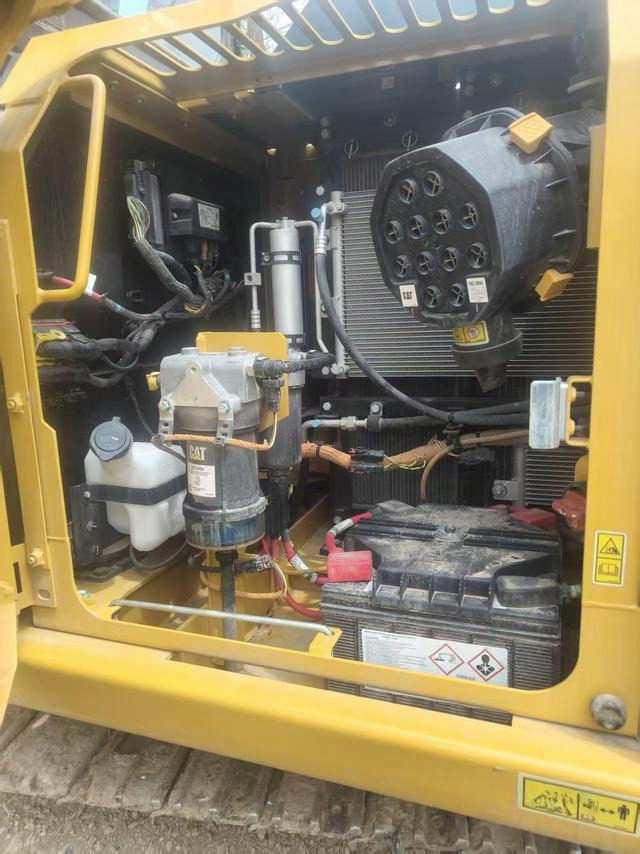
How much fuel an excavator burns per hour by size, what it costs at dated NZ and AU diesel prices, and what else you pay to run one.
Excavator fuel consumption is the litres of diesel a machine burns for each hour its engine runs, idle time included. Expect about 6 to 10 litres an hour from a 13 tonne machine and about 8 to 14 from a 20 tonne machine. Multiply by the diesel price and you have your hourly fuel cost.
How much fuel does an excavator use per hour?
The best manufacturer table available is Caterpillar's, from the Caterpillar Performance Handbook (2022). It's built from North American telematics data, so it shows what machines burned in real working days. Cat prints US gallons, which we converted at 3.785 litres per gallon.
| Size class | Cat models in the table | Litres per hour |
|---|---|---|
| 13 tonne | 313-07 GC and 313-07 | about 6 to 10 |
| 20 tonne | 320-07 GC and 320-07 | about 8 to 14 |
The low end of each range is the mostly-idle column, not a light-duty figure. Cat's handbook says its low, medium and high columns assume "50% for low, 30% for medium, 10% for high" idle time.
Hitachi doesn't publish a litres-per-hour figure in the Australian brochure for its ZX250 and ZX260LC-7. It says only that the hydraulic system "reduces fuel consumption", and it adds an ECO gauge on the monitor. Figures quoted for a specific Hitachi come from resellers or single social posts with no method, so we haven't used them.
How do you estimate fuel use for other sizes?
Take the engine's rated power in kW from the spec sheet and multiply it by a load factor. The US EPA's emissions model uses 0.59 for a diesel excavator, and 0.53 in another test cycle. Its fuel rate of 0.367 lb per hp-hr is 0.223 kg per kWh. Divide by an assumed 0.84 kg per litre of diesel and you get roughly 0.27 litres per kWh.
So litres per hour is roughly kW x 0.53 to 0.59 x 0.27. A 113 kW Hitachi ZX200-5A, a 19.7 tonne machine, comes out at about 16 to 18 litres an hour. That's above Cat's 20 tonne range because the sum assumes the engine works the whole hour, with no idle. Use it to sanity-check a claim, not as a promise.
Our weight and specs guide shows where to find engine power on a spec sheet.
What does an hour of fuel cost in NZ and Australia?
Litres per hour times price per litre. The price is the hard part, because diesel has swung a lot in 2026. These are dated snapshots, not current prices.
New Zealand. MBIE's weekly fuel price monitoring put adjusted retail diesel at $2.87 a litre for the week ending 18 September 2026, GST included. It was $1.87 on 27 February, $3.29 on 27 March and $2.40 on 17 July. MBIE marks the July and September figures as provisional, so they may still change.
Australia. The ACCC weekly fuel report (figures to 23 September 2026) says average retail diesel across the five largest cities was 286.8 cents a litre on 23 September. That was 110.2 cpl above 20 February and 35.6 cpl below 31 March.
Here's a worked example only, using those dates and the middle of Cat's 20 tonne range, 11 litres an hour:
| Where | Price used | Fuel per hour |
|---|---|---|
| New Zealand, 18 September 2026 | $2.87 a litre | about $32 |
| Australia, 23 September 2026 | 286.8 cpl | about $32 |
| Australia, after the fuel tax credit (below) | about 207 cpl | about $23 |
Check the live pages for today's price before you use it. Your own hours, idle time and local pump price will move the answer.
Do you pay tax on diesel for an excavator?
It depends on the country.
For road-user tax in New Zealand, MBIE says "Diesel is not subject to National Land Transport Fund tax", because diesel vehicles pay road user charges (RUC) instead. NZTA's RUC exemptions list names "self-propelled trench diggers and excavators" and vehicles that move on "self-laying tracks". That covers tracked excavators, but check NZTA for wheeled machines or anything you drive on public roads. Diesel still carries about 0.90 cents a litre in monitoring and local authority levies, per MBIE's duties and levies table (as of 13 July 2026). MBIE's weekly data also shows an emissions trading scheme (ETS) cost of about 13.9 cents a litre in the price for the week ending 18 September 2026, and GST on top.
In Australia, the ATO's fuel tax credit rates list 53.7 cents a litre for diesel under "all other business uses", for fuel acquired from 3 August 2026. That's the rate for fuel used off public roads. Our table takes 286.8 cpl, removes GST and subtracts the credit. Whether your business qualifies is a question for your accountant.
What makes an excavator burn more or less fuel?
Idle time is the biggest one an owner controls. The figures below are North American. Volvo's Jim Bretz told Construction Equipment magazine that a large construction fleet averages "28 to 30 percent idle time". Komatsu's figure from about 75,000 machines was 38 percent, and it says customers who manage idling aim for about 20.
Work mode and load matter too, since a machine at full power on a light job burns fuel it doesn't need. An oversized machine working at low load also wastes diesel, so match the tonnage to the job with our size guide.
None of this shows on the hour meter, which counts idling the same as digging. Our guide to hours on a used excavator covers how to read one.
What else does an excavator cost to run?
Fuel is one line, and the others come round on a schedule.
| Cost line | What sets the timing |
|---|---|
| Engine oil and filters | Maker's service tiers, such as Cat's at 250, 500, 1,000 and 2,000 hours |
| Hydraulic oil and filters | The model's own schedule |
| Bucket teeth and edges | Hours worked and how abrasive the ground is |
| Tracks and undercarriage | Hours spent tracking, plus ground and operator |
| Insurance | Yearly, priced on the machine, so ask a broker |
We haven't put dollar figures on these. The only NZ or AU figures available come from one directory page that gives no source and contradicts itself. The servicing checklist covers what to ask for on a service record.
Undercarriage is the heavy one. Caterpillar says it "can amount to as much as 50% of owning and operating costs". That's Cat's claim, and it's why checking track wear before you buy is worth the time.
What we do about running costs
We don't quote a fuel figure for any machine, because none has been measured for us. What we control is condition. Every machine on our site is under 6,000 hours. Each one is cleaned and inspected before import, then signed off by a qualified engineer. It's inspected and photographed again before it ships. See our 12 to 15 tonne excavators, or what's on our site right now.
See the excavators in stock
Browse excavatorsMachines that fit
Caterpillar 313GC
- Year
- 2025
- Hours
- 756
- Tonnage
- 13.8 t
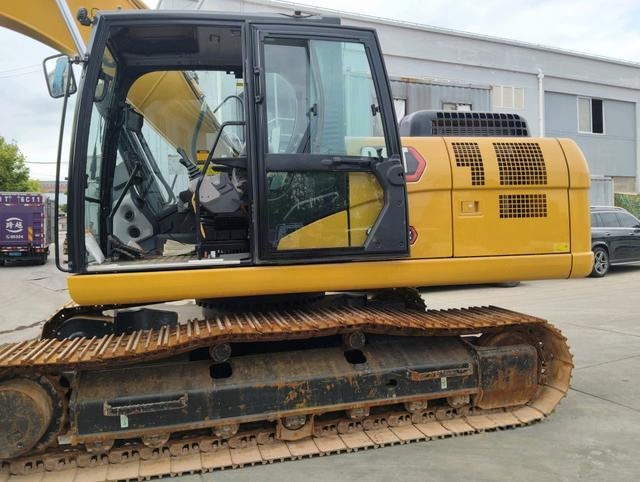
Caterpillar 323GX
- Year
- 2024
- Hours
- 795
- Tonnage
- 21.4 t
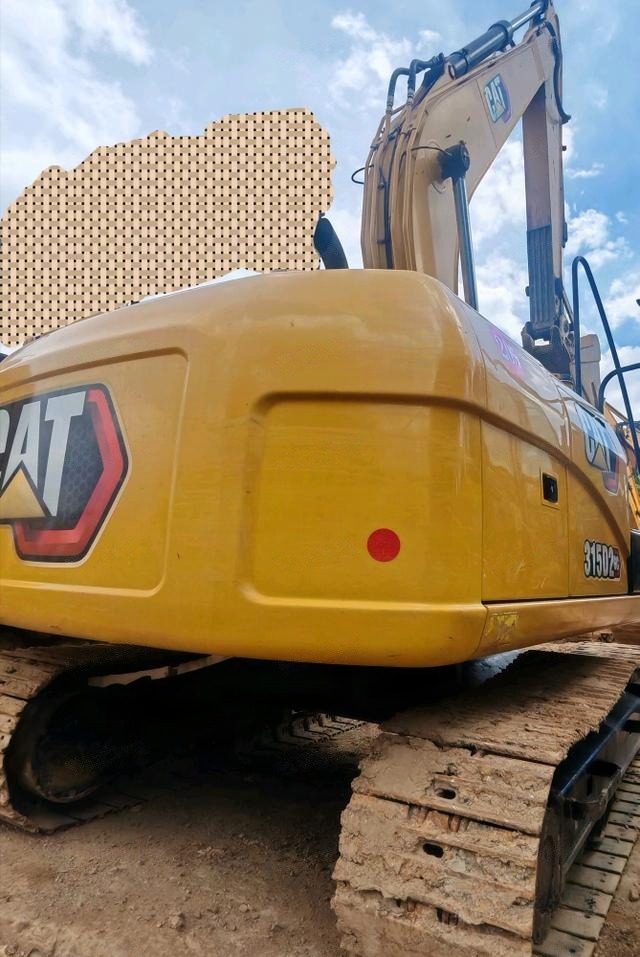
Caterpillar 313D2 GC
- Year
- 2020
- Hours
- 1,600
- Tonnage
- 12.5 t
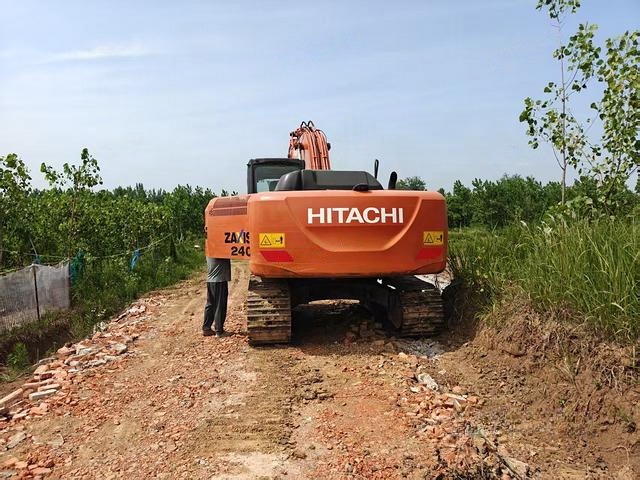
Hitachi ZX200-5A
- Year
- 2022
- Hours
- 1,700
- Tonnage
- 19.7 t
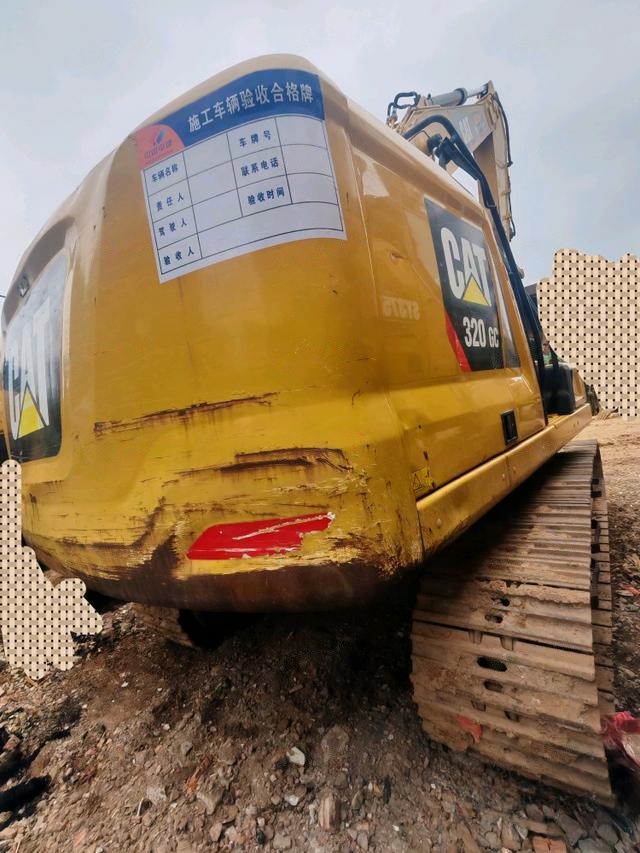
Caterpillar 320GC
- Year
- 2019
- Hours
- 2,350
- Tonnage
- 22 t
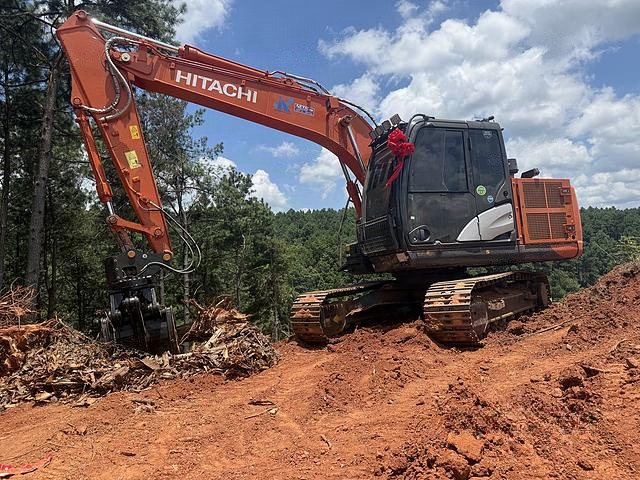
Hitachi ZX120
- Year
- 2019
- Hours
- 3,000
- Tonnage
- 12.5 t
Frequently asked questions
How can I check the real fuel burn of a used excavator?
Ask the seller for a fuel-rate reading taken over a normal working stretch. Some monitors show it live, and Hitachi's ZX250 and ZX260LC-7 list a fuel-rate display in their specs. Compare the reading with the size-class ranges above, and remember it moves with idle time and how the machine was worked.