Buying an Imported Excavator: FAQ
Answers to 22 questions buyers ask about used excavators, from size, hours and prices to import costs, biosecurity, delivery and how buying from us works.
This page gathers the questions buyers ask most about used excavators, from size and hours to import costs and delivery. Most answers link to the guide that covers them in full.
Choosing a machine
What size excavator do I need for a small backyard job?
For a standard backyard, a mini digger under 2 tonnes is usually enough, especially through a tight side gate. If the job involves footings or stormwater work, look at the 2.5 to 4 tonne class instead. We don't currently list anything under 2 tonnes.
Full guide: What size excavator do I need?
Should I buy a wheeled or a tracked excavator?
For most owner-operators working paddocks and farm ground, tracked is the better buy. Wheels pay off on sealed or firm sites where the machine changes site often. We sell tracked excavators only.
Full guide: Wheeled vs tracked excavators
Do I need an excavator or a backhoe loader?
An excavator suits jobs where digging is most of the work, or where you're trenching long lines. A backhoe loader suits a day split between digging and loading, working alone, or moving between nearby sites. That's a rule of thumb, not a standard.
Full guide: Excavator vs backhoe loader
How deep can an excavator dig?
Published dig depth runs from about 3.5 m on the smallest machines on our site to about 8 m on the biggest. That's the maximum, and a straight-sided cut goes less deep. Ask for the working-range sheet for the exact model.
Full guide: Digging depth explained
Condition and hours
Is 5,000 hours a lot for an excavator?
It depends on the machine's age and work. A five-year-old excavator on 5,000 hours has worked hard, while a fifteen-year-old on 5,000 has barely turned a wheel. Every machine on our site is under 6,000 hours, and most sit between 2,000 and 5,000.
Full guide: How many hours is too many on a used excavator?
Is it better to buy a low-hour or a well-serviced excavator?
Well-serviced, most of the time. A neglected low-hour machine can need more work than a higher-hour one with a clean service record. Service history and physical wear tell you more than hours do.
Full guide: How many hours is too many on a used excavator?
Can I trust the hour meter?
Not automatically. MWTM Group says meters get replaced during repairs and occasionally wound back. Check the figure against service records and wear on the seat, pedals, pins and bushings.
Full guide: How many hours is too many on a used excavator?
How long does an excavator undercarriage last?
There's no fixed number, and the ground matters most. Industry Search Australia gives 3,000 to 5,000 hours on standard ground, and says a 20 tonne machine on abrasive sandstone can wear through its track pads in 2,000. It names no source for those figures, so treat them as a rough guide.
Full guide: Undercarriage wear on a used excavator
Should I get a professional inspection before buying a used excavator?
Yes, if you can't judge the machine yourself. Machinery Trader recommends an independent third-party inspector or a knowledgeable technician. Yes Approved says an independent inspection can cost far less than a major problem found after settlement. That could be hydraulic, engine or undercarriage.
Full guide: Servicing a used excavator: what to check before you buy
Costs and prices
How much does a used excavator cost?
Around $12,000 for a small mini digger and well over $300,000 for a 30-tonne machine, plus GST. Those figures come from live NZ and Australian listings sampled in September 2026, and they're asking prices rather than final sale prices. Australian prices are in AUD and NZ prices in NZD. Size is the biggest driver, followed by hours, age, undercarriage, hydraulics and brand.
Full guide: Used excavator prices: what determines cost
How much do I save buying used instead of new?
On Machines4U in Australia in September 2026, the cheapest used listing was 46 to 58% below the cheapest new one in four of five size classes. It's a low-to-low comparison of asking prices, and the machines aren't matched. In NZ, the cheapest new and used listings in Farm Trader's 0 to 7 tonne class were both $12,490 NZD.
Full guide: New vs used excavators: what you actually save
What does it cost to import an excavator?
Import duty and GST or VAT sit on top of the digger's price. So does biosecurity cleaning and inspection. Freight and customs broker fees come on top as well. NZ GST is 15% and Australia's is 10%. Australia has no duty, and NZ can be duty free under its free trade agreements with a valid Certificate of Origin, or 5% without one, so check with a customs broker.
Full guide: What does it cost to import an excavator?
Can I claim the GST back on an imported excavator?
In NZ and Australia, a GST-registered business generally claims the tax back as a credit on its return, so GST is a temporary cash-flow cost. A private buyer who isn't registered pays the GST-inclusive figure and cannot claim a credit. This hasn't been confirmed for Fiji, Tonga or Papua New Guinea.
Full guide: What does it cost to import an excavator?
How much fuel does an excavator use per hour?
About 6 to 10 litres an hour for a 13 tonne machine and about 8 to 14 for a 20 tonne machine, from Caterpillar's Performance Handbook (2022). The low end of each range is the mostly-idle column, not a light-duty figure. Multiply by the diesel price for your hourly fuel cost.
Full guide: Excavator fuel consumption and running costs
Import, biosecurity and delivery
What does cleaned and inspected before import mean?
Every used excavator that crosses the border must be cleaned and inspected, no matter who imports it. In New Zealand, MPI's Import Health Standard names excavators as targeted machinery and requires them to be clean and free of biosecurity contaminants and regulated pests on arrival. Every machine we sell is cleaned and inspected before import.
Full guide: MPI biosecurity cleaning: what it means for your excavator
How are excavators shipped?
By sea, in one of four ways: RoRo, container, flat rack or breakbulk. Size and whether the machine can drive usually settle the choice. RoRo is the quickest, simplest option for a machine that runs.
Full guide: How excavators are shipped to your yard
Do I have to sort out freight and customs myself?
No. Our team has 15 years of international trade experience and handles sourcing, freight and customs for every machine we sell. We deliver anywhere in New Zealand, Australia or the Pacific Islands.
Full guide: How excavators are shipped to your yard
Buying from us
How does buying from you work?
You enquire on a machine, and we check its availability against your requirements before you pay. A 10% deposit holds it, and you pay the remaining 90% on delivery. Allow about 6 to 8 weeks from deposit to arrival at your door.
Are your machines inspected?
Every machine is under 6,000 hours. It's cleaned and inspected before import and signed off by a qualified engineer. We inspect and photograph it again before it ships to you.
Is the 10% deposit refundable?
Yes, if you cancel before we place the order with the supplier. Once that order is placed, the deposit is no longer refundable.
What if the machine is damaged or not as described?
Every machine is inspected and signed off before it ships to you. If something is wrong, we fix it at our cost where that is possible. If it can't be fixed, or the repair would take too long, you get your 10% deposit back.
How do I pay?
By bank transfer. We also accept card payments, with a small card fee added. The remaining 90% is due when the machine is delivered to you, not on arrival at a port and not before you've seen it.
Browse what's on our site right now. Enquire on any machine, or ring 0800 367 1111.
See the excavators in stock
Browse excavatorsMachines that fit
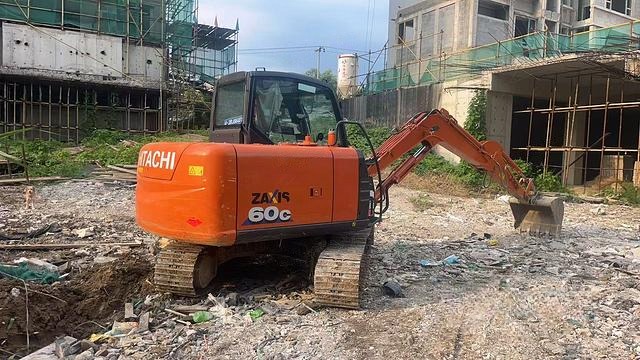
Hitachi ZX60C-6A
- Year
- 2025
- Hours
- 600
- Tonnage
- 5.4 t
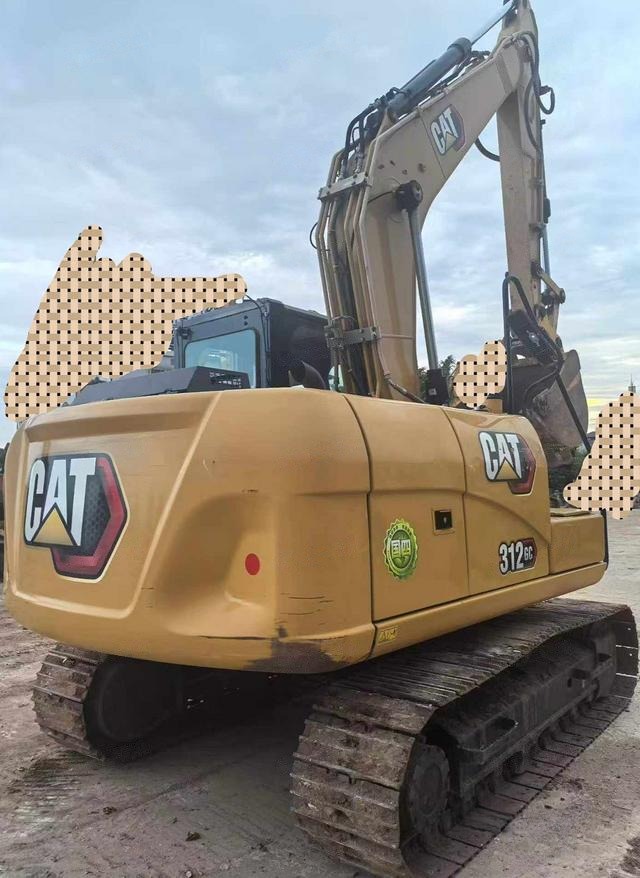
Caterpillar 312GC
- Year
- 2024
- Hours
- 730
- Tonnage
- 11.6 t
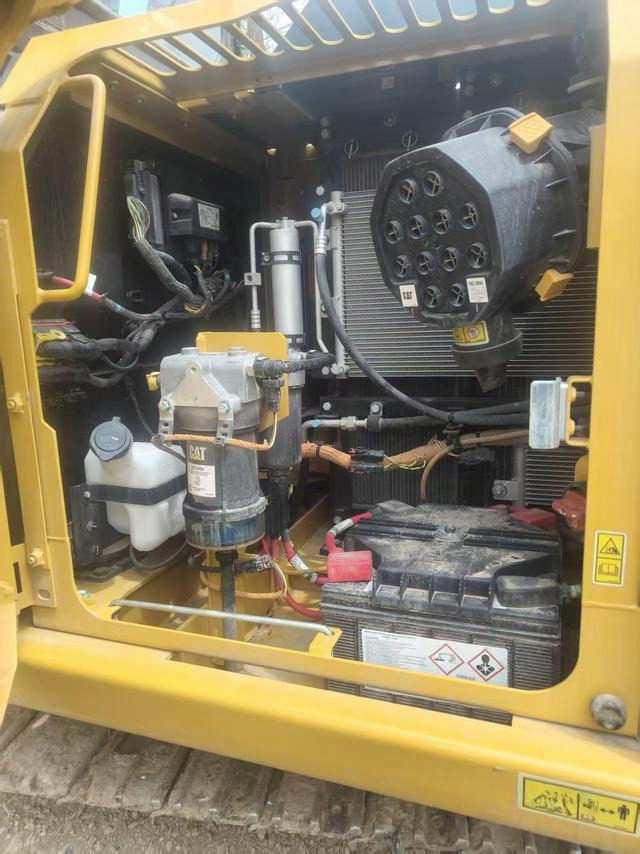
Caterpillar 313GC
- Year
- 2025
- Hours
- 756
- Tonnage
- 13.8 t
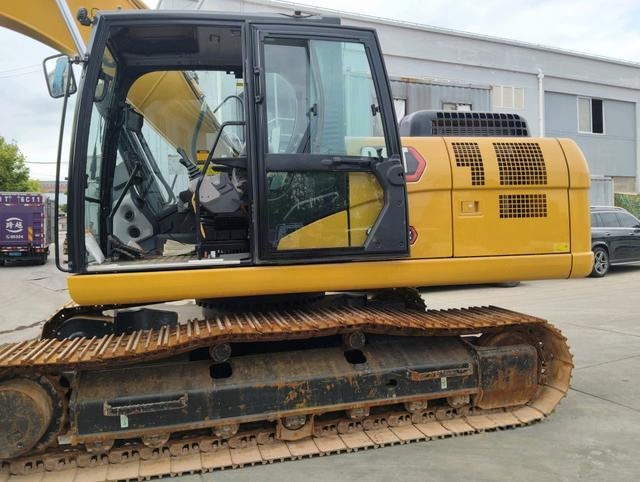
Caterpillar 323GX
- Year
- 2024
- Hours
- 795
- Tonnage
- 21.4 t
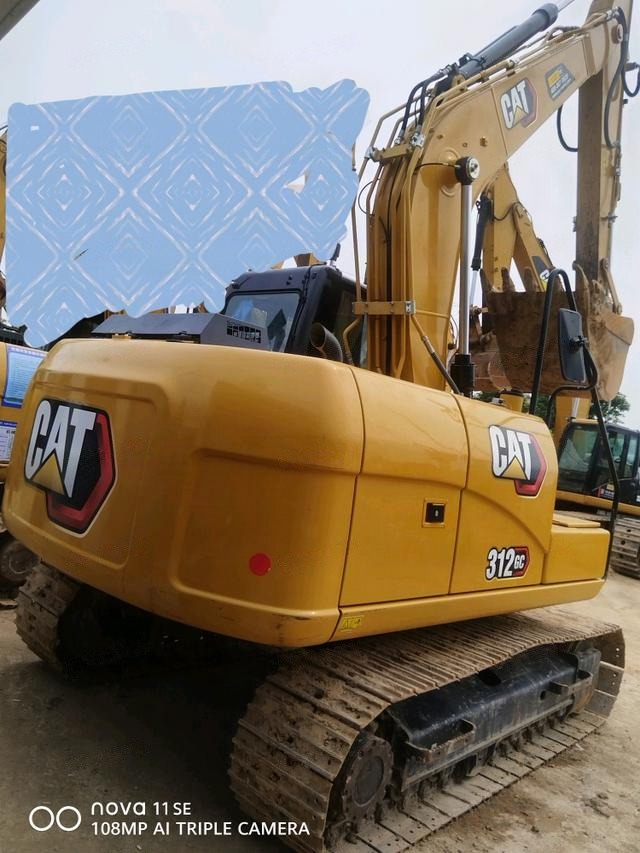
Caterpillar 312GC
- Year
- 2022
- Hours
- 1,100
- Tonnage
- 11.6 t
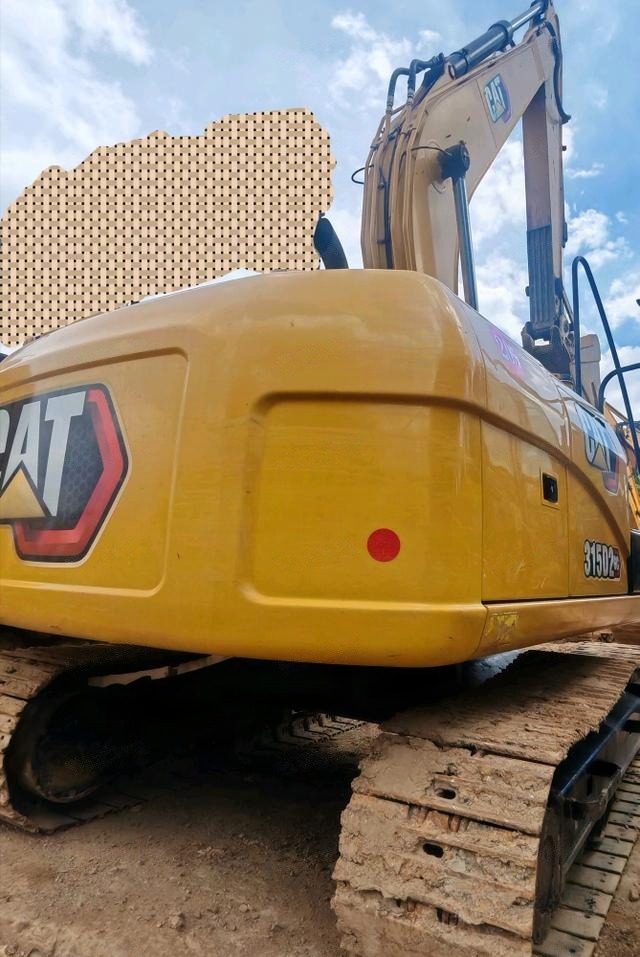
Caterpillar 313D2 GC
- Year
- 2020
- Hours
- 1,600
- Tonnage
- 12.5 t
Frequently asked questions
What size excavator do I need for a small backyard job?
For a standard backyard, a mini digger under 2 tonnes is usually enough, especially through a tight side gate. If the job involves footings or stormwater work, look at the 2.5 to 4 tonne class instead. We don't currently list anything under 2 tonnes.
Should I buy a wheeled or a tracked excavator?
For most owner-operators working paddocks and farm ground, tracked is the better buy. Wheels pay off on sealed or firm sites where the machine changes site often. We sell tracked excavators only.
Do I need an excavator or a backhoe loader?
An excavator suits jobs where digging is most of the work, or where you're trenching long lines. A backhoe loader suits a day split between digging and loading, working alone, or moving between nearby sites. That's a rule of thumb, not a standard.
How deep can an excavator dig?
Published dig depth runs from about 3.5 m on the smallest machines on our site to about 8 m on the biggest. That's the maximum, and a straight-sided cut goes less deep. Ask for the working-range sheet for the exact model.
Is 5,000 hours a lot for an excavator?
It depends on the machine's age and work. A five-year-old excavator on 5,000 hours has worked hard, while a fifteen-year-old on 5,000 has barely turned a wheel. Every machine on our site is under 6,000 hours, and most sit between 2,000 and 5,000.
Is it better to buy a low-hour or a well-serviced excavator?
Well-serviced, most of the time. A neglected low-hour machine can need more work than a higher-hour one with a clean service record. Service history and physical wear tell you more than hours do.
Can I trust the hour meter?
Not automatically. MWTM Group says meters get replaced during repairs and occasionally wound back. Check the figure against service records and wear on the seat, pedals, pins and bushings.
How long does an excavator undercarriage last?
There's no fixed number, and the ground matters most. Industry Search Australia gives 3,000 to 5,000 hours on standard ground, and says a 20 tonne machine on abrasive sandstone can wear through its track pads in 2,000. It names no source for those figures, so treat them as a rough guide.
Should I get a professional inspection before buying a used excavator?
Yes, if you can't judge the machine yourself. Machinery Trader recommends an independent third-party inspector or a knowledgeable technician. Yes Approved says an independent inspection can cost far less than a major problem found after settlement. That could be hydraulic, engine or undercarriage.
How much does a used excavator cost?
Around $12,000 for a small mini digger and well over $300,000 for a 30-tonne machine, plus GST. Those figures come from live NZ and Australian listings sampled in September 2026, and they're asking prices rather than final sale prices. Australian prices are in AUD and NZ prices in NZD. Size is the biggest driver, followed by hours, age, undercarriage, hydraulics and brand.
How much do I save buying used instead of new?
On Machines4U in Australia in September 2026, the cheapest used listing was 46 to 58% below the cheapest new one in four of five size classes. It's a low-to-low comparison of asking prices, and the machines aren't matched. In NZ, the cheapest new and used listings in Farm Trader's 0 to 7 tonne class were both $12,490 NZD.
What does it cost to import an excavator?
Import duty and GST or VAT sit on top of the digger's price. So does biosecurity cleaning and inspection. Freight and customs broker fees come on top as well. NZ GST is 15% and Australia's is 10%. Australia has no duty, and NZ can be duty free under its free trade agreements with a valid Certificate of Origin, or 5% without one, so check with a customs broker.
Can I claim the GST back on an imported excavator?
In NZ and Australia, a GST-registered business generally claims the tax back as a credit on its return, so GST is a temporary cash-flow cost. A private buyer who isn't registered pays the GST-inclusive figure and cannot claim a credit. This hasn't been confirmed for Fiji, Tonga or Papua New Guinea.
How much fuel does an excavator use per hour?
About 6 to 10 litres an hour for a 13 tonne machine and about 8 to 14 for a 20 tonne machine, from Caterpillar's Performance Handbook (2022). The low end of each range is the mostly-idle column, not a light-duty figure. Multiply by the diesel price for your hourly fuel cost.
What does cleaned and inspected before import mean?
Every used excavator that crosses the border must be cleaned and inspected, no matter who imports it. In New Zealand, MPI's Import Health Standard names excavators as targeted machinery and requires them to be clean and free of biosecurity contaminants and regulated pests on arrival. Every machine we sell is cleaned and inspected before import.
How are excavators shipped?
By sea, in one of four ways: RoRo, container, flat rack or breakbulk. Size and whether the machine can drive usually settle the choice. RoRo is the quickest, simplest option for a machine that runs.
Do I have to sort out freight and customs myself?
No. Our team has 15 years of international trade experience and handles sourcing, freight and customs for every machine we sell. We deliver anywhere in New Zealand, Australia or the Pacific Islands.
How does buying from you work?
You enquire on a machine, and we check its availability against your requirements before you pay. A 10% deposit holds it, and you pay the remaining 90% on delivery. Allow about 6 to 8 weeks from deposit to arrival at your door.
Are your machines inspected?
Every machine is under 6,000 hours. It's cleaned and inspected before import and signed off by a qualified engineer. We inspect and photograph it again before it ships to you.
Is the 10% deposit refundable?
Yes, if you cancel before we place the order with the supplier. Once that order is placed, the deposit is no longer refundable.
What if the machine is damaged or not as described?
Every machine is inspected and signed off before it ships to you. If something is wrong, we fix it at our cost where that is possible. If it can't be fixed, or the repair would take too long, you get your 10% deposit back.
How do I pay?
By bank transfer. We also accept card payments, with a small card fee added. The remaining 90% is due when the machine is delivered to you, not on arrival at a port and not before you've seen it.